

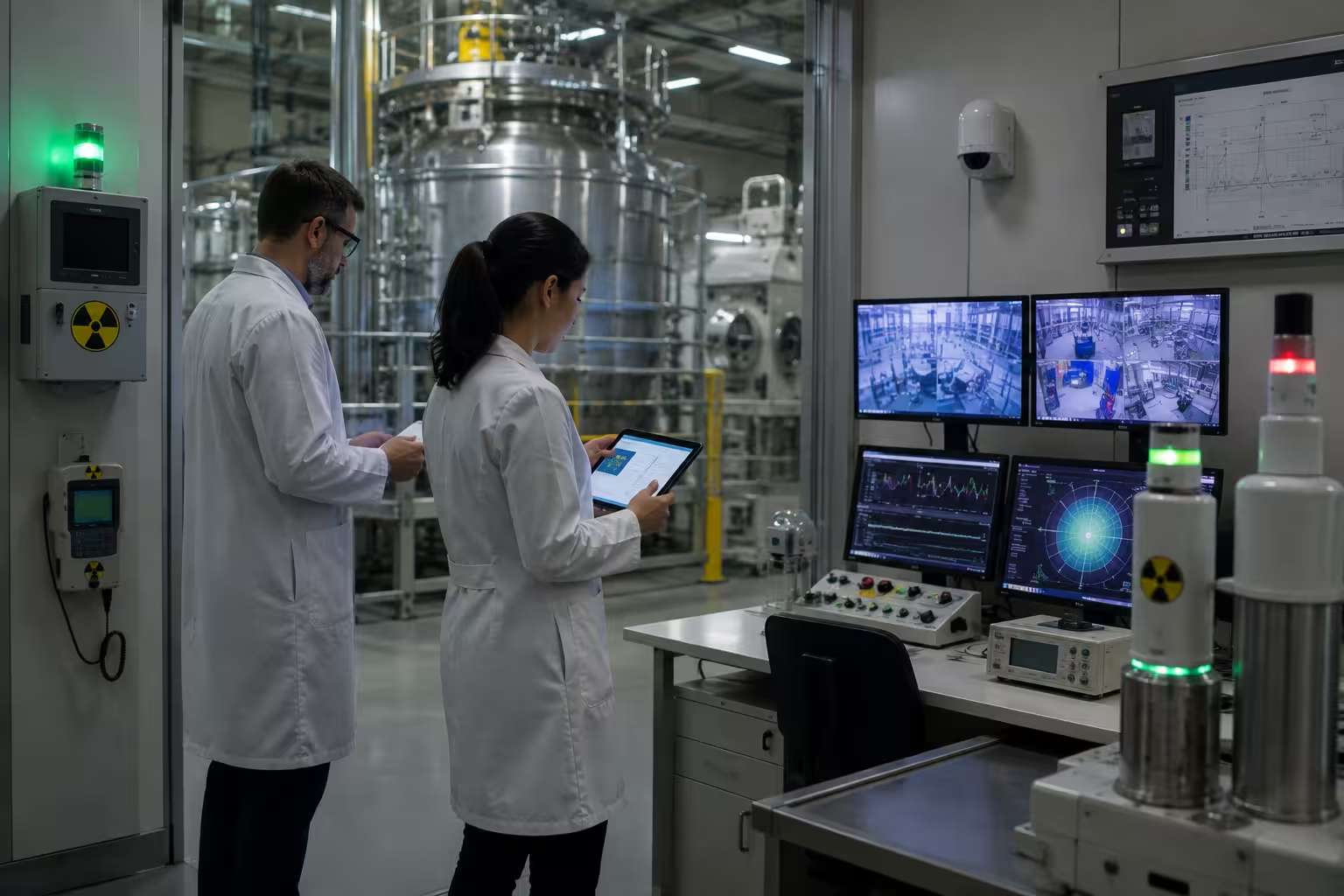
What Is an IPPAS Mission? Understanding the IAEA’s Nuclear Security Review Programme
April , 2026 : As countries continue expanding the peaceful use of nuclear technology, protecting nuclear materials and facilities has become an important international priority. One way governments strengthen their nuclear security systems is by inviting experts from the International Atomic Energy Agency (IAEA) to conduct an International Physical Protection Advisory Service (IPPAS) mission.
An IPPAS mission is an independent peer review that helps countries evaluate whether their nuclear security arrangements align with internationally recognized IAEA guidance. Rather than acting as an inspection or enforcement exercise, the programme provides expert advice, identifies good practices and offers recommendations for further improvement.
The programme has been operating for more than three decades and has become one of the IAEA’s key international nuclear security services.
What Does IPPAS Stand For?
IPPAS stands for International Physical Protection Advisory Service.
The programme was established by the IAEA in 1995 to help countries strengthen the physical protection of:
- Nuclear material
- Nuclear facilities
- Radioactive material
- Associated nuclear infrastructure
The reviews are conducted by international experts with practical experience in nuclear security, physical protection, regulation and law enforcement.
What Is the Purpose of an IPPAS Mission?
The main objective of an IPPAS mission is to help a country improve its national nuclear security regime.
The review examines whether security systems effectively protect nuclear materials and facilities against threats such as:
- Theft of nuclear or radioactive material
- Sabotage of nuclear facilities
- Unauthorized access
- Insider threats
- Physical attacks
- Emerging security risks
The mission compares national practices with internationally recognized IAEA Nuclear Security Series guidance and international legal instruments.
Are IPPAS Missions Mandatory?
No.IPPAS missions are voluntary.A country decides whether to invite the IAEA to conduct a review. Governments request the mission when they want an independent assessment of their nuclear security arrangements and opportunities for improvement.Because participation is voluntary, IPPAS missions are regarded as cooperative peer reviews rather than inspections.
What Do Experts Review During an IPPAS Mission?
Each mission is tailored to the host country’s request, but reviews commonly examine:
- National nuclear security legislation
- Government regulatory framework
- Physical protection of nuclear facilities
- Security of nuclear material
- Security during transport of nuclear material
- Roles and responsibilities of government agencies
- Emergency preparedness related to security events
- Nuclear security culture
- Personnel reliability programmes
- Training and qualification systems
Some missions also include reviews of specific nuclear power plants, research reactors or other nuclear facilities.
How Does an IPPAS Mission Work?
An IPPAS mission generally follows several stages.
- Country Requests a Mission
The government formally invites the IAEA to conduct an independent review.
- Preparation
The host country provides documents, legislation and information about its nuclear security arrangements.
- International Expert Team
The IAEA assembles a team of experts from different countries with experience in nuclear security, regulation and physical protection.
- Site Visits
Experts visit nuclear facilities, regulatory authorities and other relevant organizations to observe physical protection systems and discuss national practices.
- Assessment
The team compares existing arrangements with IAEA Nuclear Security Series guidance and international good practices.
- Final Report
The experts prepare recommendations, suggestions and examples of good practice to help strengthen the country’s nuclear security regime.
What Is Physical Protection?
Physical protection refers to the measures used to prevent unauthorized access to nuclear material or nuclear facilities.
Examples include:
- Security fences
- Controlled entry points
- Identity verification
- Surveillance cameras
- Intrusion detection systems
- Security personnel
- Access control procedures
- Alarm systems
- Protected storage areas
Modern nuclear security also includes cybersecurity measures that help protect digital systems supporting nuclear operations.
What Is the Difference Between an IPPAS Mission and a Nuclear Safety Inspection?
Although both involve the IAEA, they focus on different areas.
| Nuclear Safety | Nuclear Security (IPPAS) |
| Prevents accidents | Prevents theft, sabotage and malicious acts |
| Equipment reliability | Physical protection systems |
| Radiation protection | Access control and security measures |
| Operational safety | Protection against intentional threats |
| Safe operation of facilities | Secure protection of nuclear materials |
Safety and security complement one another but address different types of risks.
Do Countries Have to Follow the Recommendations?
IPPAS recommendations are not legally binding.The host government decides how to implement them.Many countries voluntarily use the recommendations to:
- Update legislation
- Improve regulations
- Modernise security systems
- Enhance staff training
- Strengthen oversight
- Develop long-term nuclear security strategies
Some countries later invite the IAEA back for a follow-up mission to review progress.
Why Are Follow-Up Missions Important?
A follow-up mission allows international experts to evaluate how a country has addressed previous recommendations.These reviews help governments measure progress, identify remaining challenges and demonstrate their continued commitment to strengthening nuclear security.
Why Are Small Modular Reactors Becoming Part of IPPAS Reviews?
As Small Modular Reactors (SMRs) begin entering commercial operation, the IAEA is expanding its review activities to include these newer technologies.
Although SMRs generate electricity using the same basic principles as conventional nuclear reactors, their design, size and operating concepts can require different approaches to physical protection and security planning.Including SMRs in IPPAS reviews helps ensure that nuclear security guidance evolves alongside advances in reactor technology.
Why Does IPPAS Matter Internationally?
Nuclear security is a global responsibility because the consequences of theft or sabotage involving nuclear or radioactive material could extend beyond national borders.By sharing international expertise and encouraging continuous improvement, IPPAS missions help countries:
- Strengthen national nuclear security systems
- Improve international cooperation
- Exchange good practices
- Build public confidence
- Support the safe and secure peaceful use of nuclear technology
The programme also promotes consistency with internationally recognized nuclear security guidance developed by the IAEA.
Frequently Asked Questions
-
What does IPPAS stand for?
International Physical Protection Advisory Service.
-
Who conducts IPPAS missions?
The missions are organised by the International Atomic Energy Agency with international experts from participating Member States and IAEA staff.
-
Are IPPAS missions compulsory?
No. Countries voluntarily invite the IAEA to conduct an IPPAS review.
-
Does IPPAS inspect nuclear weapons?
No. IPPAS focuses on the physical protection of nuclear and other radioactive materials and associated facilities used for peaceful purposes, along with national nuclear security arrangements. It is separate from the IAEA’s safeguards activities related to verifying compliance with international non-proliferation obligations.
-
What happens after an IPPAS mission?
The IAEA provides recommendations, suggestions and examples of good practice. The host country decides how to implement them and may later request a follow-up mission to assess progress.
-
How long has the IPPAS programme existed?
The programme began in 1995 and has supported more than one hundred international peer review missions worldwide. The International Physical Protection Advisory Service is one of the IAEA’s principal nuclear security peer-review programmes. By bringing together independent international experts and national authorities, IPPAS missions help countries assess their nuclear security systems, share good practices and identify opportunities for continuous improvement.
As nuclear technologies continue to evolve including the growing use of small modular reactors the programme is expected to remain an important tool for supporting strong physical protection measures and international cooperation in the peaceful use of nuclear energy.
Editorial Note: This article is intended for informational and educational purposes only. It provides analytical insights based on publicly available information and does not constitute financial, legal, or political advice. Readers are encouraged to consult official sources and expert advisors for verified guidance.