Featured Reports
Brief Updates
Global Energy Shift: IEA Expands Influence with New Partnerships and Mineral Security Mandate
A New Era for Global Energy Governance: Insights from Paris The International Energy Agency (IEA) has reached a historic milestone during IEA’s 2026 Ministerial Meeting Paris for Global Energy governance,…
UN Chief Welcomes Major US Funding Boost for Global Humanitarian Aid
United Nations Secretary‑General António Guterres has welcomed a new commitment from the United States, which has pledged an initial $2 billion to support the UN’s emergency humanitarian operations worldwide. According…
EU Extends Ireland’s Nitrates Derogation for Three More Years
The European Commission has confirmed that Ireland will retain its special exemption under the EU Nitrates Directive for an additional three years, beginning on 1 January 2026. The extension was…
IMF Approves USD 206 Million in Emergency Aid for Sri Lanka After Cyclone Ditwah
The International Monetary Fund has approved USD 206 million in rapid‑response financing to help Sri Lanka cope with the severe economic and humanitarian fallout from Cyclone Ditwah, which struck the…
New WHO Report Warns Poor Waste Management Is Fueling a Global Health Crisis
A new World Health Organization (WHO) report is sounding the alarm over the growing dangers of poorly managed solid waste, warning that unsafe disposal practices are putting millions of people…
Read In Your Language
Global Org
Your Fruit Taste Check This Out
Recent Reports
- Canada Unveils Modernized Investigative Powers to Combat High-Tech Crime
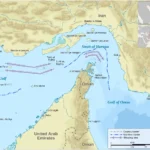
- The “Invisible Wall”: How the 2026 Strait of Hormuz Blockade is Splitting Global Alliances
- Neighbors Turn Into Local Clean Energy Power Players via New Energy App
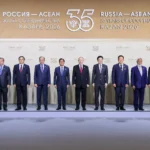
- ASEAN Regional Update: Strengthening Ties with Europe, Uruguay, and Economic Growth in the Philippines
- NATO Deputy Secretary General Concludes High-Level Security Meetings in Japan
Science & Technology News
Sports
Asia Pacific
ASEAN Regional Update: Strengthening Ties with Europe, Uruguay, and Economic Growth in the Philippines
1. Uruguay Eyes Membership in World’s Largest Trade Bloc
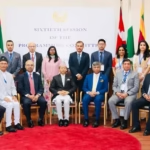
In a significant diplomatic move, the Ambassador of Uruguay, H.E. Cristina González, met with ASEAN Secretary-General Dr. Kao Kim Hourn this week at the Jakarta headquarters. The primary focus of the discussion was Uruguay’s formal interest in joining the Regional Comprehensive Economic Partnership (RCEP).
Beyond trade agreements, both leaders discussed ways to bridge the gap between Southeast Asia and Uruguay through increased bilateral cooperation.

Source: Summarized from official reports by the ASEAN Secretariat.
2. Spain Appoints New Envoy to ASEAN; Focuses on “Asia-Pacific Strategy”
Relations between Spain and Southeast Asia reached a new milestone as Ambassador Bernardo de Sicart Escoda officially presented his credentials to Dr. Kao Kim Hourn on March 11, 2026. As the fifth Spanish Ambassador to the organization, Escoda highlighted Spain’s new 2026–2029 Asia-Pacific Strategy.

Key areas of future cooperation include:
-
Energy & Digital: Transitioning to green energy and accelerating digital transformation.
-
Infrastructure: Building sustainable connectivity across the region.
-
Legal Ties: Spain is expected to officially join the Treaty of Amity and Cooperation (TAC) later this year.
3. Philippines Hosts Economic Ministers to Map Out “Our Future, Together”
The 32nd ASEAN Economic Ministers’ (AEM) Retreat kicked off in Taguig, Philippines, under the leadership of Secretary Ma. Christina A. Roque. This meeting is a cornerstone of the Philippines’ 2026 Chairship.

What was decided?
The ministers fast-tracked several high-priority projects, including the Digital Economy Framework Agreement (DEFA) and the integration of Timor-Leste into the region’s economic agreements. The “Navigating Our Future, Together” theme reflects a unified push to monitor the region’s economic performance more strictly amidst global shifts.
Source : ASEAN
BRICS Nations Face Pressure to Accelerate Green Energy Shift
Editorial Note: This article is intended for informational and educational purposes only. It provides analytical insights based on publicly available information and does not constitute financial, legal, or political advice. Readers are encouraged to consult official sources and expert advisors for verified guidance.
Europe
Neighbors Turn Into Local Clean Energy Power Players via New Energy App
A groundbreaking EU-funded energy app is now helping neighbors cut carbon emissions and earn modest returns by investing in their own community’s power.
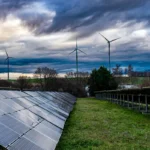
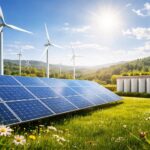
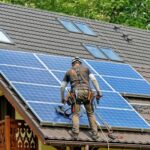
A quiet energy revolution is taking place on the rooftops of Madrid. The Palomeras school is now fully powered by solar energy, but the most interesting part isn’t the technology it’s who paid for it.
Through a crowdfunding initiative called AURORA, over 170 local residents from a working-class neighborhood raised nearly €150,000 to install the panels.
By allowing individuals to invest as little as €20, the project proved that clean energy transition doesn’t require massive corporate backing; it just needs community participation.
Why This Matters
This project is a blueprint for “Energy Democracy.” It addresses three major hurdles in the fight against climate change:
- Financial Accessibility: Most solar projects require high upfront costs. By using a “micro-investment” model, even those with limited savings can own a piece of the green economy.
- Practicality Over Preaching: The AURORA app acknowledges that not everyone can take the bus or live a “perfect” eco-life. It allows users to track their footprint and “compensate” by investing in local green projects that offer a financial return.
- Local Benefits: Once the initial investment is repaid, the Palomeras school is expected to see a 40% reduction in energy bills, keeping money within the community rather than sending it to fossil fuel giants.

Breaking the “Legal” Barrier
While the technology for solar power has become significantly cheaper, the AURORA project highlighted a new challenge: Red Tape. While the Madrid project was a success, similar pilots in Slovenia and Portugal faced complex legal hurdles regarding who can own and share rooftop electricity.
Researchers argue that for the EU to hit its goal of climate neutrality by 2050, policymakers must simplify the laws that currently make it difficult for neighbors to share power.
The Future of the Energy Tracker
Although the official EU funding for the pilot phase concluded in late 2025, the AURORA Energy Tracker app remains active.
The team is currently exploring how to integrate AI to provide even more personalized tips such as alerting users to specific government subsidies for electric vehicles or home renovations.
As we move toward a net-zero future, projects like AURORA show that the most powerful tool we have isn’t just a solar panel it’s the power of a neighborhood working together.
Original Source: This article was adapted from a report originally published in Horizon Magazine, the EU Research and Innovation Magazine.
Editorial Note
Published by PoliGen News under the Poligen360 platform. Information is based on publicly available sources and presented for informational purposes to help readers understand global developments clearly and responsibly.

Science & Technology
Neighbors Turn Into Local Clean Energy Power Players via New Energy App

A groundbreaking EU-funded energy app is now helping neighbors cut carbon emissions and earn modest returns by investing in their own community’s power.
A quiet energy revolution is taking place on the rooftops of Madrid. The Palomeras school is now fully powered by solar energy, but the most interesting part isn’t the technology it’s who paid for it.
Through a crowdfunding initiative called AURORA, over 170 local residents from a working-class neighborhood raised nearly €150,000 to install the panels.
By allowing individuals to invest as little as €20, the project proved that clean energy transition doesn’t require massive corporate backing; it just needs community participation.
Why This Matters
This project is a blueprint for “Energy Democracy.” It addresses three major hurdles in the fight against climate change:
- Financial Accessibility: Most solar projects require high upfront costs. By using a “micro-investment” model, even those with limited savings can own a piece of the green economy.
- Practicality Over Preaching: The AURORA app acknowledges that not everyone can take the bus or live a “perfect” eco-life. It allows users to track their footprint and “compensate” by investing in local green projects that offer a financial return.
- Local Benefits: Once the initial investment is repaid, the Palomeras school is expected to see a 40% reduction in energy bills, keeping money within the community rather than sending it to fossil fuel giants.

Breaking the “Legal” Barrier
While the technology for solar power has become significantly cheaper, the AURORA project highlighted a new challenge: Red Tape. While the Madrid project was a success, similar pilots in Slovenia and Portugal faced complex legal hurdles regarding who can own and share rooftop electricity.
Researchers argue that for the EU to hit its goal of climate neutrality by 2050, policymakers must simplify the laws that currently make it difficult for neighbors to share power.
The Future of the Energy Tracker
Although the official EU funding for the pilot phase concluded in late 2025, the AURORA Energy Tracker app remains active.
The team is currently exploring how to integrate AI to provide even more personalized tips such as alerting users to specific government subsidies for electric vehicles or home renovations.
As we move toward a net-zero future, projects like AURORA show that the most powerful tool we have isn’t just a solar panel it’s the power of a neighborhood working together.
Original Source: This article was adapted from a report originally published in Horizon Magazine, the EU Research and Innovation Magazine.

Editorial Note
Published by PoliGen News under the Poligen360 platform. Information is based on publicly available sources and presented for informational purposes to help readers understand global developments clearly and responsibly.


Global Affairs
Canada Unveils Modernized Investigative Powers to Combat High-Tech Crime
TORONTO, ONTARIO – As criminal networks become increasingly digital and globalized, the Government of Canada is moving to modernize the nation’s legal framework. On March 19, 2026, federal officials highlighted the introduction of Bill C-22, a legislative package designed to provide law enforcement and the Canadian Security Intelligence Service (CSIS) with updated tools to investigate and disrupt high-tech threats.

Bridging the Digital Gap
The proposed “Act to Keep Canadians Safe” addresses a growing disparity between modern communication technology and outdated investigative authorities. Currently, sophisticated actors exploit the digital landscape to facilitate serious offenses, including human trafficking, money laundering, extortion, and child sexual exploitation. Bill C-22 aims to close these gaps by aligning Canadian law with international allies, specifically the Five Eyes intelligence alliance.
Note : Five Eyes – Editorial – (An intelligence alliance comprising Canada, the US, the UK, Australia, and New Zealand.)
Under the new provisions, investigators will be able to:
- Accelerate Investigations: Access basic subscriber information earlier in the process to expedite the acquisition of judicial warrants.
- Enhance Efficiency: Act with greater speed during urgent or exigent circumstances.
- Global Cooperation: Strengthen the ability to work with international partners against transnational organized crime.
A Focused Approach to Public Safety
This legislation is not an isolated move but builds upon a broader federal strategy. Recent government actions have already targeted rising hate crimes, tightened bail requirements for violent re-offenders, and bolstered border security to stem the flow of illegal narcotics.
Minister of Public Safety Gary Anandasangaree emphasized that while technology has simplified life, it has also complexified the nature of crime. He noted that Bill C-22 is essential for ensuring that agencies like the Toronto Police Service are not left behind by the “increasingly complex and sophisticated” tactics of modern threat actors.
Local Impact and Leadership
During the announcement in Toronto, Police Chief Myron Demkiw expressed strong support for the modernization of lawful access provisions. He stated that the ability to move quickly is often the deciding factor in preventing further harm in cases ranging from homicides to human trafficking.
Justice Minister Sean Fraser echoed these sentiments, noting that providing front-line officers with modern, digital-ready tools is a fundamental requirement for protecting Canadian communities in a “rapidly evolving digital environment.”
Source : Canada Gov
Editorial Note: This article is intended for informational and educational purposes only. It provides analytical insights based on publicly available information and does not constitute financial, legal, or political advice. Readers are encouraged to consult official sources and expert advisors for verified guidance.