

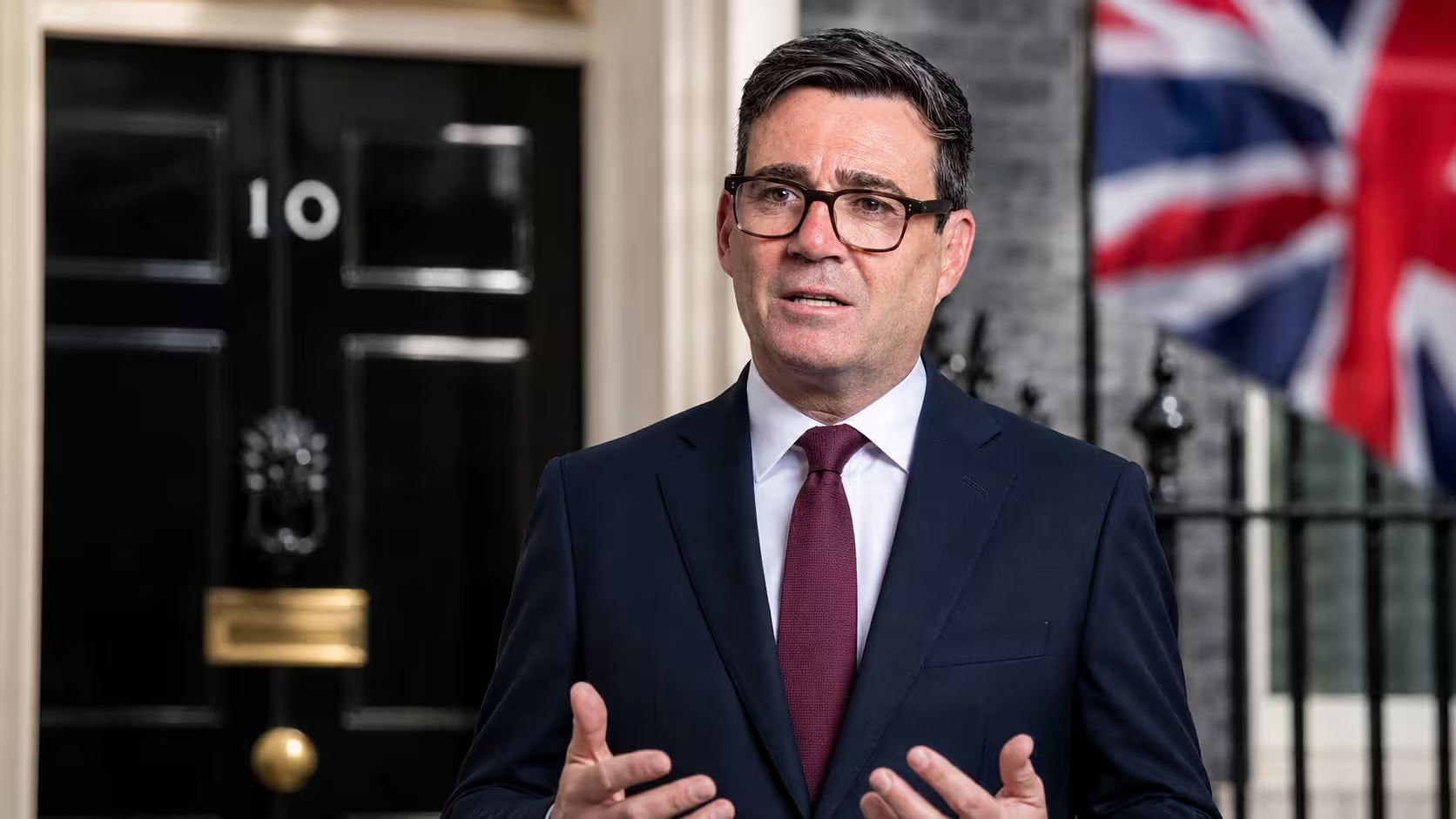
Andy Burnham Promises Stability and 10-Year Plan in First Speech as Prime Minister
July 2026 – New UK Prime Minister Andy Burnham has placed political stability, economic renewal and immediate cost-of-living support at the centre of his first address outside 10 Downing Street.
Speaking after accepting King Charles III’s invitation to form a government on 20 July 2026, Burnham acknowledged the rapid turnover of British leaders and said the country must demonstrate that it can become stable again. He is the seventh UK prime minister since 2016.
“Britain needs to show the world that we can regain our stability once again,” Burnham said, describing the task as one of making politics work better and rebuilding public confidence.
Stability Placed at the Forefront
Burnham used the opening section of his speech to reflect on public frustration with politics and the frequent changes in national leadership.
He admitted that the political establishment had “not been good enough” and said his generation of politicians needed to improve its performance and respond to the challenges facing the country.
The new prime minister described the change in government as a potential “circuit breaker for Britain”, promising what he called the most significant political and economic changes in 40 years.
His proposed approach would involve a more collaborative political system focused on solving problems rather than scoring political points.
Burnham also promised to transfer more decision-making authority from Westminster to communities across the country, allowing local areas to play a greater role in shaping their economic futures.
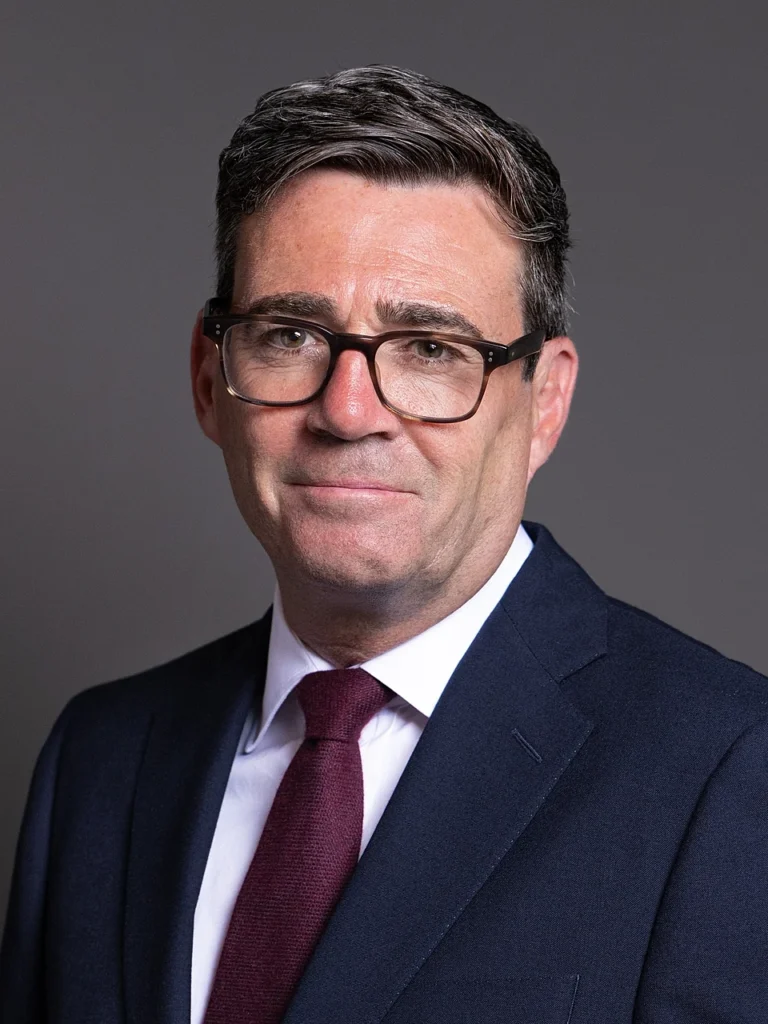
New 10-Year Plan for Britain
One of the main announcements in the speech was the planned introduction of a new 10-year national strategy.
Burnham said the plan would be presented later in 2026 and would establish a path from Britain’s current position towards a future that could attract support across political and regional divisions.
“Later this year, I will bring forward a new plan for Britain, a 10-year plan,” he said.
Although the full details have not yet been released, the speech indicated that the plan would include political decentralization, stronger public oversight of essential services and measures to rebuild Britain’s industrial capacity.
Burnham said public procurement would be used to support British industry as part of a wider effort to reindustrialize the country. He argued that previous decades of centralization, privatization and deindustrialization had left many communities feeling unable to reverse their decline.
Immediate Cost-of-Living Support Promised
While the broader national strategy will not be published until later in the year, Burnham said his government would begin offering people some immediate “breathing space” from the cost-of-living pressures facing households.
He promised to begin setting out the first measures the following day, together with an explanation of how the government intended to fund them.
The speech did not provide detailed figures or confirm which households would qualify. Further announcements will therefore be needed to establish the scale, timing and cost of the assistance.
The commitment nevertheless suggested that easing living costs will be among the first tests of Burnham’s new government.
Employment and Mental Health Support for Young People
Burnham also placed young people among his government’s early priorities.
He promised changes to the education system designed to help more young people enter employment, alongside additional support for those facing barriers to work.
Mental health assistance would form part of that programme, according to the prime minister.
Burnham connected these proposals to his ambition of building a more preventative state—one that invests earlier in people’s health, skills and prospects rather than meeting the higher costs of unemployment, poor health and social disadvantage later.
More Council Homes and Action on Rough Sleeping
Housing formed another important part of the speech, with Burnham promising that the government would build more council homes.
He presented additional public housing, employment support and preventative services as a fairer and more sustainable way to reduce welfare expenditure while continuing to meet Britain’s fiscal and international defence commitments.
Burnham also said his first instruction after entering Downing Street would be to begin work towards ending rough sleeping across the country.
The commitment reflects an approach Burnham previously promoted during his time as mayor of Greater Manchester, although the national government will now need to explain the funding, delivery timetable and responsibilities of local authorities.
A Call for National Unity
Burnham concluded his first speech by calling for a renewed sense of unity, shared purpose and optimism.
He promised to place the care of people at the centre of his government and asked the public to work with him as the country enters another period of political change.
“Let us make this the moment when Britain starts to believe again,” he said.
The speech established the broad direction of the new government, but many of its most important commitments including the 10-year plan, cost-of-living package, council housing programme and strategy to end rough sleeping will depend on the detailed policies and funding arrangements announced in the coming months.
Editorial Note: This article is intended for informational and educational purposes only. It provides analytical insights based on publicly available information and does not constitute financial, legal, or political advice. Readers are encouraged to consult official sources and expert advisors for verified guidance.
UK Life Sciences Sector Draws £3 Billion Investment as Jobs and Medical Innovation Accelerate
OECD Ministers Conclude 2026 Meeting on Industrial Policies and Open Markets
New Zealand Sets Four Priorities in 10-Year Science Investment Plan