

APEC Outlines Regional Priorities for AI, Digital Inclusion and Cyber Trust
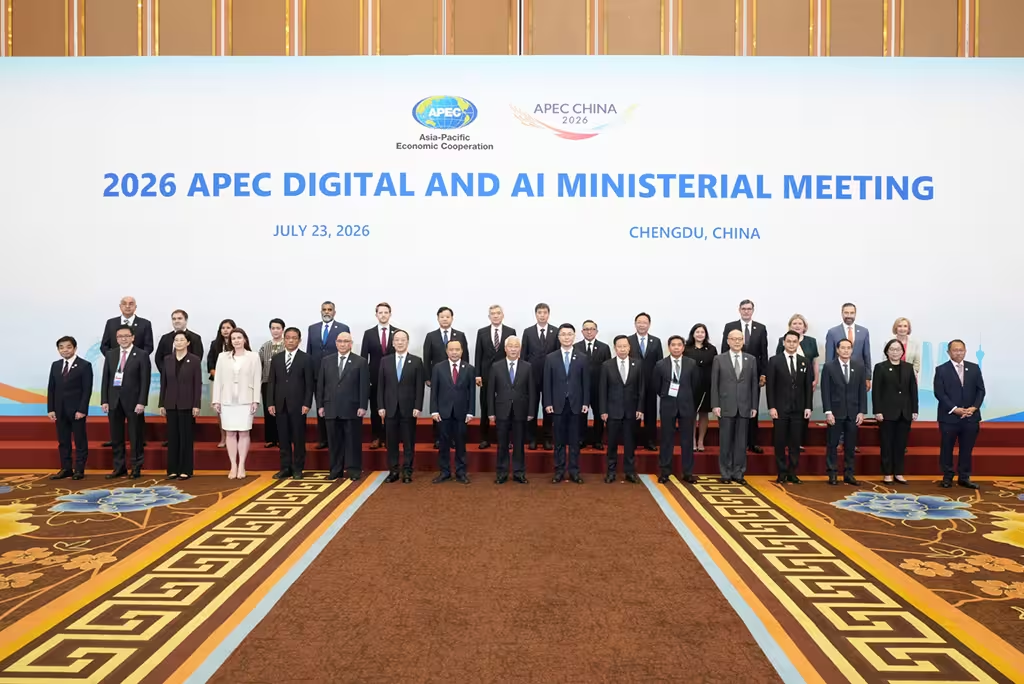
July , 2026 : Ministers from Asia-Pacific Economic Cooperation economies have agreed to strengthen regional cooperation on artificial intelligence, digital connectivity, skills development and online safety.
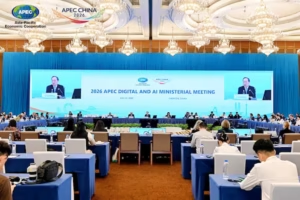
The commitments were outlined in the 2026 APEC Digital and AI Ministerial Statement, adopted following a meeting in Chengdu, China, on 23 July.
The meeting brought together ministers responsible for telecommunications, information and communication technologies, and digital policy. It was chaired by China’s Minister of Industry and Information Technology, Li Lecheng.
Issued under the theme “Digital Technologies and AI for the Empowerment of an Asia-Pacific Community,” the Chengdu Statement identifies five main areas for cooperation:
- Universal and meaningful digital connectivity
- Digital technologies and AI for economic growth
- Digital literacy and skills development
- A trusted digital environment
- Investment and open-source digital ecosystems
Ministers called for secure, reliable and affordable internet access, with particular attention given to rural, remote and underserved communities. The statement also supports investment in resilient communications infrastructure and next-generation connectivity services.
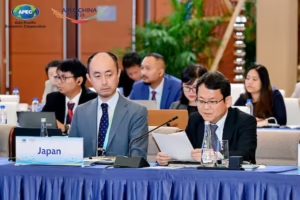
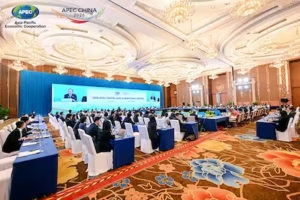
APEC economies were encouraged to expand the responsible use of AI across manufacturing, agriculture, services and public-sector delivery. Ministers highlighted the importance of helping micro, small and medium-sized enterprises access affordable digital products and practical AI solutions.
Education and workforce development were another major focus. The statement calls for broader access to digital education, vocational training, public awareness programmes and AI literacy initiatives for communities and policymakers.
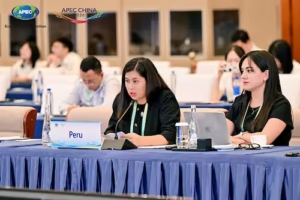
Ministers also expressed concern about data breaches, online scams and the deliberate misuse of AI. They encouraged greater cooperation among governments, businesses, civil society, technical experts and academic institutions to improve cybersecurity, data protection, child online safety and public trust.
The APEC statement comes amid growing concern over online scams and digital fraud across the region. According to a July 2026 report by the United Nations Office on Drugs and Crime, scam activities across East and Southeast Asia were estimated to cause annual losses of between US$88.3 billion and US$114.1 billion, as organised criminal networks increasingly use generative AI and other advanced technologies.
The statement further recognized the investment required for digital and AI transformation, particularly for start-ups and smaller businesses. It also supported trusted open-source projects that maintain appropriate safeguards for security, privacy and intellectual property.
APEC ministers are expected to meet again in Viet Nam in 2027.
New Zealand’s Wider APEC Engagement

New Zealand was also represented at a separate APEC Ministers Responsible for Trade Meeting held in Suzhou, China, in May 2026, attended by Trade and Investment Minister Todd McClay. Ahead of that meeting, the Government noted that APEC’s 21 economies receive more than 70 per cent of New Zealand’s exports and account for around 60 per cent of global GDP.
Although the May meeting focused primarily on trade, its discussions also covered digital trade, trade digitalization and support for small businesses. This wider engagement shows why regional cooperation on AI, trusted digital transactions and connectivity is important for New Zealand exporters and businesses.
Editorial Note: This article is intended for informational and educational purposes only. It provides analytical insights based on publicly available information and does not constitute financial, legal, or political advice. Readers are encouraged to consult official sources and expert advisors for verified guidance.
ASEAN and Russia Adopt Kazan Declaration and 2026-2030 Cooperation Plan
G20 2026 Miami Summit: Members, U.S. Priorities and What to Expect
OECD Ministers Conclude 2026 Meeting on Industrial Policies and Open Markets