

ASEAN and Russia Adopt Kazan Declaration and New Cooperation Plan at 35th Anniversary Summit
June , 2026 : Leaders and representatives from Russia and the Association of Southeast Asian Nations have adopted a new package of agreements aimed at guiding political, economic, energy and cultural cooperation over the next five years.
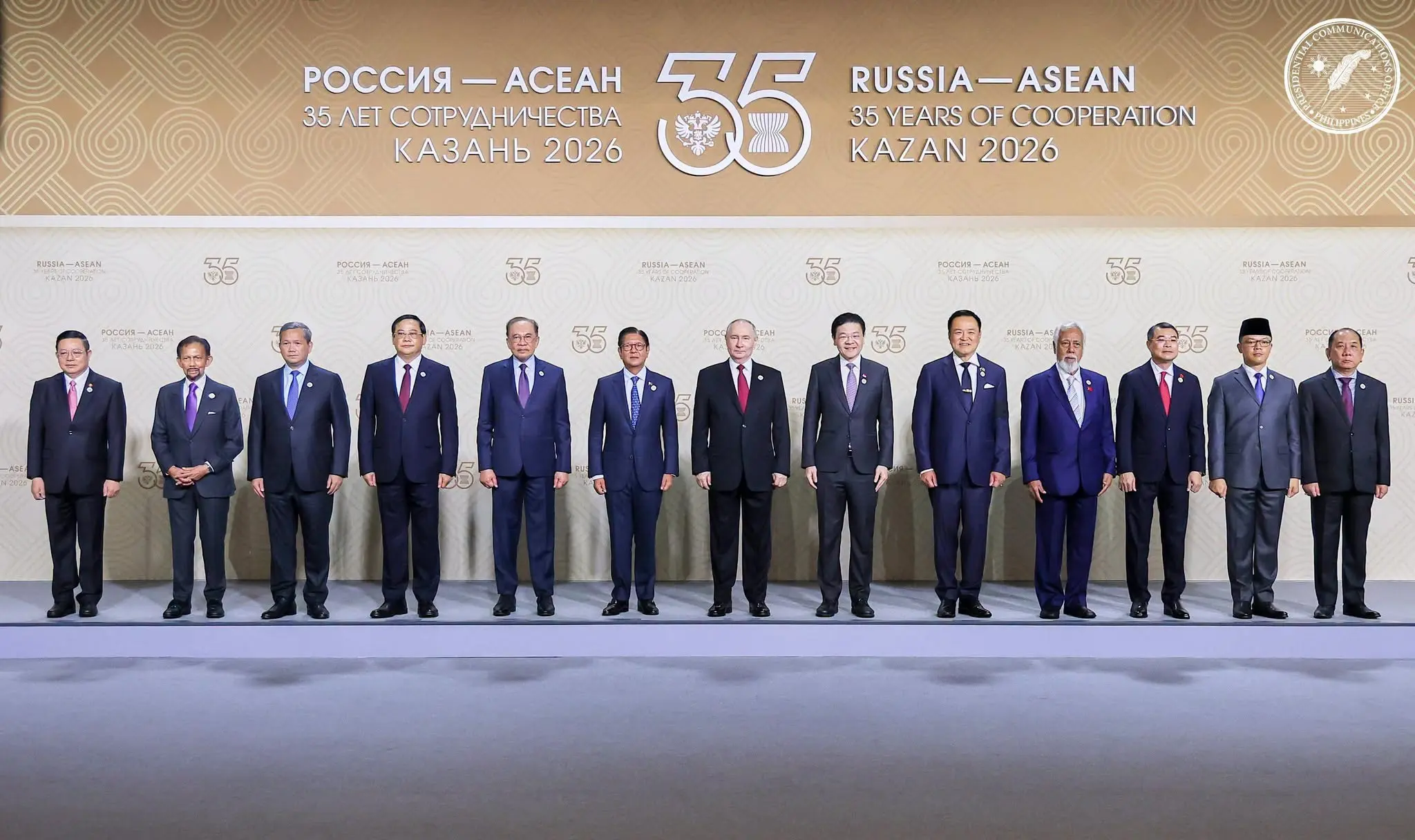
The ASEAN-Russia Commemorative Summit was held in Kazan, Russia, on 18 June 2026, marking 35 years since the establishment of ASEAN-Russia dialogue relations.
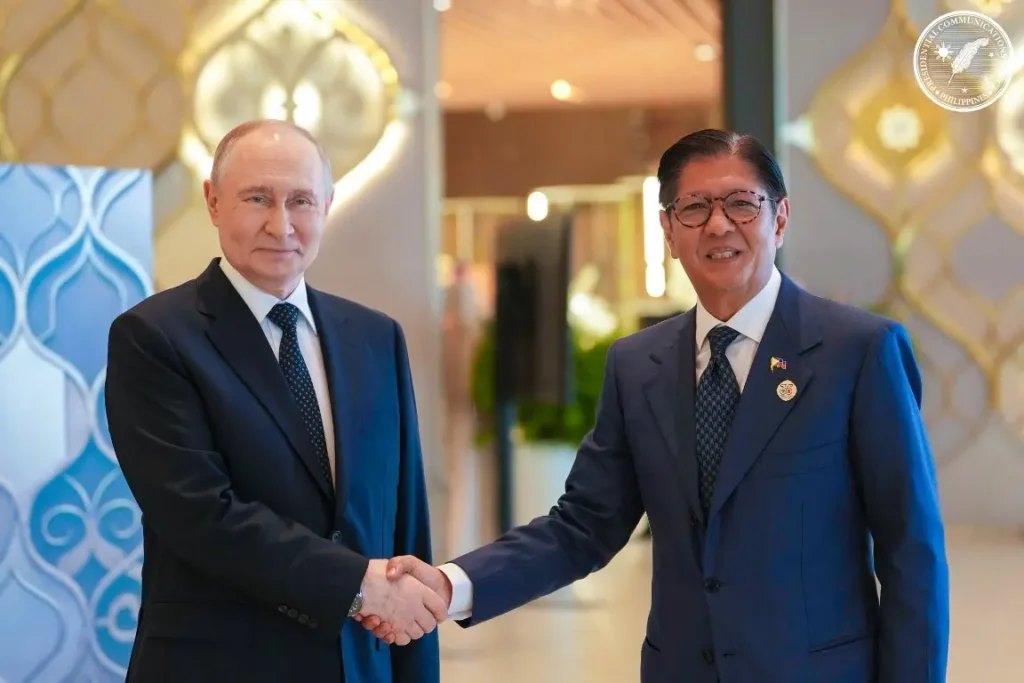
The meeting was co-chaired by Russian President Vladimir Putin and Philippine President Ferdinand Marcos Jr., whose country holds the ASEAN chairship for 2026.
ASEAN leaders and their representatives attended the summit alongside ASEAN Secretary-General Dr Kao Kim Hourn and their respective delegations.
ASEAN comprises 11 Southeast Asian nations: Brunei Darussalam, Cambodia, Indonesia, Lao PDR, Malaysia, Myanmar, the Philippines, Singapore, Thailand, Timor-Leste and Vietnam. Russia has held the status of a full ASEAN dialogue partner since July 1996.
Participants in the summit include Sultan Hassanal Bolkiah of Brunei Darussalam; Cambodian Prime Minister Hun Manet; Indonesian Foreign Minister Sugiono; Lao Prime Minister Sonexay Siphandone; Malaysian Prime Minister Anwar Ibrahim; Myanmar’s Presidential Special Representative and Permanent Secretary of the Ministry of Foreign Affairs, Hau Khan Sum; Philippine President Ferdinand Marcos; Singaporean Prime Minister Lawrence Wong; Thai Prime Minister Anutin Charnvirakul; Timor-Leste Prime Minister Xanana Gusmão; and Vietnamese Prime Minister Le Minh Hung.
ASEAN Secretary-General Dr Kao Kim Hourn, Shanghai Cooperation Organisation Secretary-General Nurlan Yermekbayev, and Chair of the Board of the Eurasian Economic Commission Bakytzhan Sagintayev are also participating in the summit.
Four Outcome Documents Adopted in Kazan
The summit concluded with the adoption of four outcome documents:
-
The Kazan Declaration 2026, “ASEAN–Russian Federation: Unity in Diversity – 35 Years Together”
-
The Joint Statement of ASEAN and the Russian Federation on Energy Cooperation
-
The Joint Statement of ASEAN and the Russian Federation on Cultural Cooperation
-
The Plan of Action to Implement the ASEAN-Russian Federation Strategic Partnership (2026–2030)
The documents are intended to provide a forward-looking framework for cooperation between ASEAN and Russia and to turn the commitments of their strategic partnership into practical programmes.
The new Plan of Action builds on cooperation undertaken under the previous 2021-2025 plan and other agreements, including the Joint Statement of the Third ASEAN-Russian Federation Summit on Strategic Partnership adopted in 2018.
It is also expected to support the implementation of ASEAN 2045: Our Shared Future and contribute to Russia’s national development objectives through 2030 and beyond.
Political, Economic and Humanitarian Cooperation Discussed
The summit agenda included a review of the ASEAN-Russia strategic partnership and discussions on opportunities for expanding cooperation across political, economic and humanitarian fields.
Participants also exchanged views on international and regional developments.
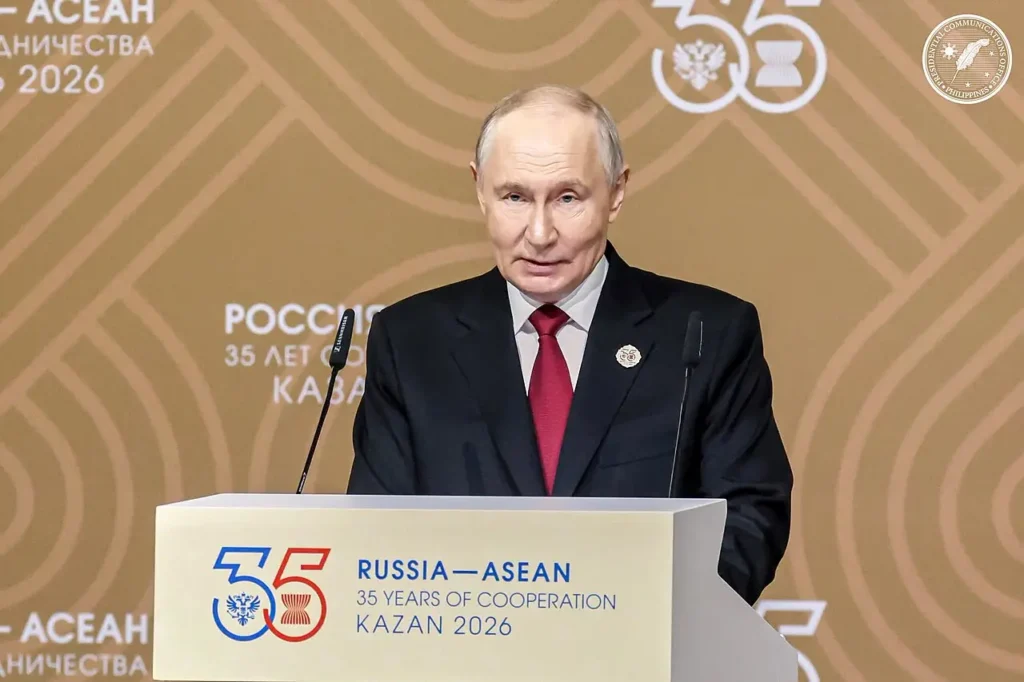
In his opening remarks, Russian President Vladimir Putin said cooperation had expanded across trade and investment, energy, agriculture, digitalization, science and technology, tourism and responses to emerging security threats.
He described ASEAN as an influential international organization and said the strategic partnership had an important role in supporting regional stability and mutually beneficial cooperation.
Marcos Outlines Three Priorities for Future Relations
President Marcos highlighted three broad priorities for the next phase of ASEAN-Russia cooperation: regional peace and security, stronger economic relations and deeper connections between their peoples.
On security, Marcos called for practical cooperation in areas including counterterrorism, maritime security, cybercrime, illicit trafficking and online scams.
He said transnational threats crossed national borders and required stronger coordination and more proactive responses.
On economic cooperation, Marcos said ASEAN and Russia should work to improve trade facilitation, increase investment and create stronger links between their business communities.
Food and energy security were identified as important areas, together with opportunities for micro, small and medium-sized enterprises and businesses operating in emerging sectors.
Marcos also emphasized scholarships, student exchanges, academic partnerships, tourism, cultural programmes and the arts as important foundations of the relationship.
He said people-to-people connections could carry the partnership forward beyond individual summits and policy declarations.
Energy and Cultural Cooperation Form Part of New Framework
The adoption of separate statements on energy and cultural cooperation reflects the broad scope of the relationship.
Energy cooperation is expected to form part of wider discussions on energy security, technology, sustainability and the development of reliable energy systems.
The cultural statement is intended to support exchanges involving education, tourism, heritage, arts and other forms of interaction between ASEAN and Russian communities.
The 2026–2030 Plan of Action also reaffirms Russia’s stated support for ASEAN centrality and ASEAN-led regional mechanisms.
ASEAN centrality refers to the organisation’s role in convening regional dialogue and shaping cooperation involving Southeast Asian countries and their external partners.
ASEAN Secretary-General Joins Eurasian Integration Discussion
Following the summit, ASEAN Secretary-General Dr Kao Kim Hourn joined ASEAN leaders and representatives at a working lunch hosted by Putin.
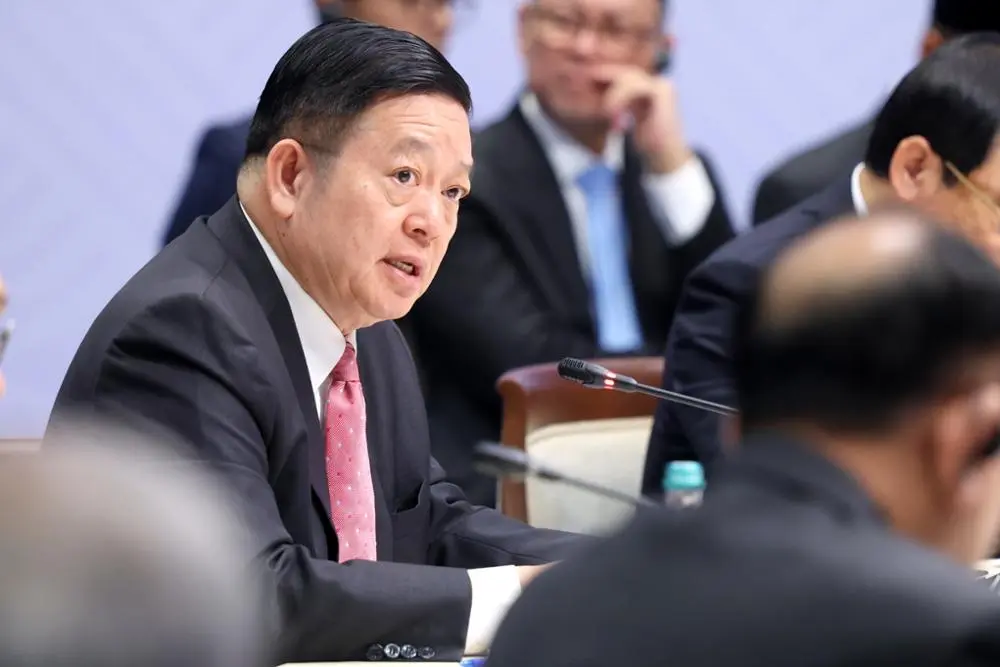
The discussion focused on integration processes in the Eurasian region and included representatives from the Shanghai Cooperation Organization and the Eurasian Economic Commission.
The meeting indicated an interest in exploring connections between ASEAN’s regional integration agenda and organizations operating across the wider Eurasian region.
Thirty-Five Years of ASEAN-Russia Relations
Dialogue relations between ASEAN and Russia date back to 1991, while Russia became a full ASEAN dialogue partner in 1996.
The relationship was elevated to a strategic partnership at the Third ASEAN-Russia Summit in Singapore in 2018.
Timor-Leste participated in the commemorative summit following its accession to ASEAN, bringing the organization’s membership to 11 Southeast Asian countries.
The Kazan summit sought both to commemorate the relationship’s 35-year history and establish a practical framework for cooperation through 2030.
Key Points
-
The ASEAN-Russia Commemorative Summit was held in Kazan on 18 June 2026.
-
The meeting marked 35 years of ASEAN-Russia dialogue relations.
-
Vladimir Putin and Ferdinand Marcos Jr. co-chaired the summit.
-
Four documents covering the wider partnership, energy, culture and the 2026-2030 action plan were adopted.
-
Discussions covered security, trade, investment, energy, agriculture, digitalization, science, tourism and people-to-people relations.
-
The new action plan supports ASEAN’s longer-term ASEAN 2045 vision and reaffirms Russia’s support for ASEAN centrality.
Editorial Note: This article is intended for informational and educational purposes only. It provides analytical insights based on publicly available information and does not constitute financial, legal, or political advice. Readers are encouraged to consult official sources and expert advisors for verified guidance.
ASEAN Strengthens Strategic Dialogue and Diplomatic Cooperation with Kuwait and China
G20 2026 Miami Summit: Members, U.S. Priorities and What to Expect
Japan and SAARC Bolster Youth Ties with New JENESYS 2025 Phase II Agreement