

E. coli contamination and boil water notices can spark immediate concern for any household, but understanding the “why” and “how” behind these alerts is the best way to protect your family. Safe drinking water is essential for our communities, and knowing how to respond when an E. coli boil water alert is issued ensures you stay healthy and informed.
-
What is E. coli?
Escherichia coli (E. coli) is a broad group of bacteria found in the environment, food, and the digestive tracts of humans and animals. While many strains are harmless, their presence in your drinking water is a critical red flag.
Health authorities view E. coli as a “fecal indicator.” According to the Washington State Department of Health, because these bacteria originate in the gut of warm-blooded animals, their presence confirms that the water supply has been contaminated by human or animal waste. Where there is waste, there is a high probability that more dangerous pathogens such as Giardia, Cryptosporidium, or Campylobacter are also lurking.
-
Acting on a “Boil Water” Notice
If your local authority issues a notice, you must change your water habits immediately. The CDC and local agencies recommend the following:
- STOP: Do not consume tap water. This includes using it for ice, brushing teeth, washing produce, or mixing baby formula.
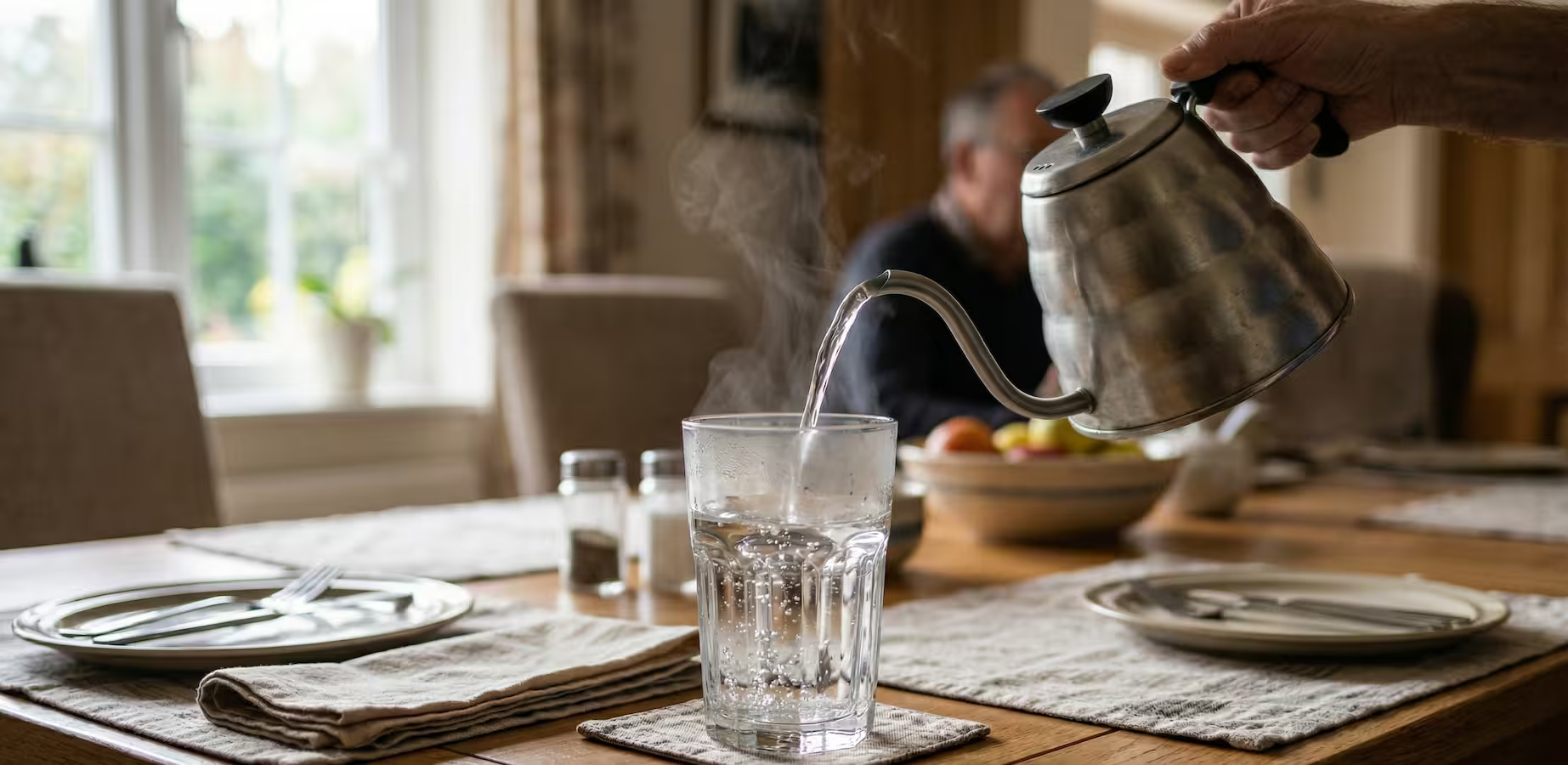
- BOIL: Bring water to a rolling boil for at least 60 seconds (1 minute). This process effectively inactivates bacteria, viruses, and protozoa. Always allow it to cool completely before use.
- VULNERABLE GROUPS: Infants, the elderly, and the immunocompromised are at the highest risk. Ensure they only use boiled or bottled water.
2026 Environmental Insight: Recent data from the University of Auckland (April 2026) highlights that extreme weather is impacting our water safety. Heavy rain events can increase the risk of enteric bacterial disease by 27%, making strict adherence to these notices more important than ever.
-
Who Issues These Alerts?
“Boil Water” notices are typically issued by your local water utility or council, often in direct consultation with health departments. These entities are overseen by national regulatory bodies.
| Country | National Regulatory Authority | Examples of Local Authorities |
| New Zealand | Taumata Arowai | Watercare (Auckland), Wellington Water |
| Australia | State Health Depts / EPAs | Sydney Water, Melbourne Water, SA Water |
| USA | EPA | Local Town Water Depts, NYC Environmental Protection |
-
The Risks of Consumption
While not everyone who drinks contaminated water will fall ill, many pathogenic strains can cause significant distress.
- Common Symptoms: According to the Mayo Clinic, symptoms include severe stomach cramps, nausea, vomiting, and diarrhea (which may be bloody).
- Severe Complications: In vulnerable populations, infection can lead to Hemolytic Uremic Syndrome (HUS), a life-threatening condition that can result in kidney failure.
-
The Truth About Home Filters
A common misconception is that a household filter makes contaminated water safe. This is false.
- The Reality: Standard pitcher filters, refrigerator filters, and basic tap attachments are designed to improve taste by removing chlorine or metals. They are not equipped to kill or remove microscopic bacteria and viruses.
- Post-Notice Maintenance: Once a notice is lifted, Taumata Arowai ( New Zealand ) advises replacing all filter cartridges. These filters may have trapped and incubated contaminants during the alert period.
Disclaimer: This guide is for informational purposes. Always prioritize the specific directions provided by your local health department or water utility during an active alert.