

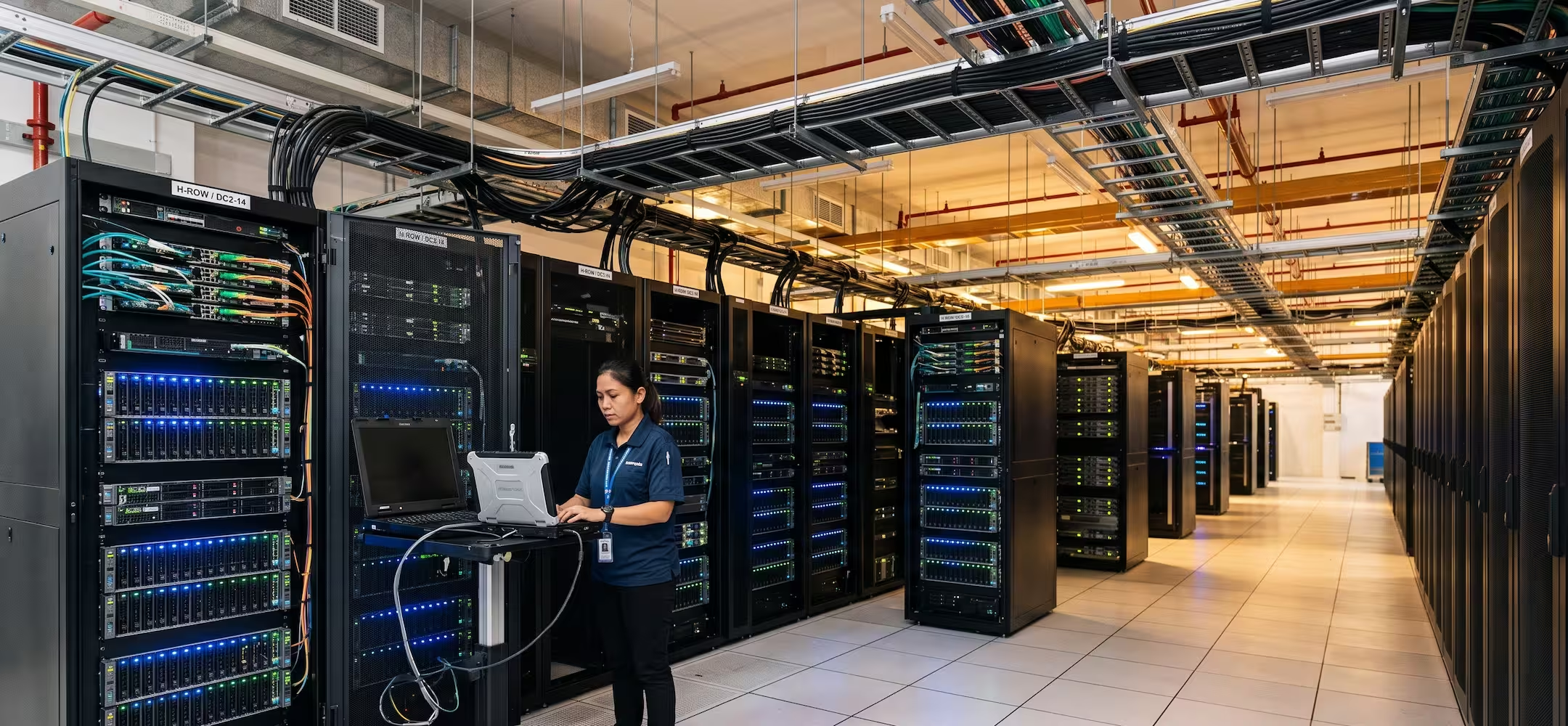
August 2025 : In a pioneering move, Singapore has introduced a new IT energy efficiency standard for data centre’s, aiming to cut energy use by at least 30%. The standard, SS 715:2025, focuses on optimizing IT equipment performance even at higher operating temperatures up to 35°C.
With data centers consuming around 60% of their energy on IT hardware, and AI driving demand even higher, the new guidelines encourage smarter equipment choices and better workload management. Operators adopting Singapore’s tropical data Centre practices could also save up to 5% more on cooling costs.
IMDA’s Energy Efficiency Grant will support upgrades to compliant equipment, reinforcing Singapore’s push toward sustainable digital infrastructure
SG press Centre
Smarter Computing: How Singapore’s SS 715:2025 is Redefining Tropical Data Centre
As the global demand for AI-driven compute surges, Singapore is shifting its focus from how data centre’s are cooled to how the hardware inside actually performs. Under the newly launched Singapore Standard SS 715:2025, the nation is positioning itself as a global leader in tropical digital sustainability by targeting the “compute layer” where the majority of energy is actually spent.
Efficiency Beyond the Facility
Historically, data centre efficiency was measured by how much power went to cooling versus the servers. However, with IT equipment consuming around 60% of a facility’s total energy, the IMDA’s new standard aims to cut that specific consumption by at least 30%.
Instead of just cooling hardware more effectively, the standard encourages smarter equipment choices and better workload management. By adopting practices such as virtualization and workload consolidation, operators can ensure that as the demand for AI grows, the energy required to meet it does not spiral out of control.
The 35°C Breakthrough
One of the most ambitious elements of the new guidelines is the push for hardware that can thrive in heat. The standard optimizes IT performance for higher operating temperatures up to 35°C.
By aligning with Singapore’s existing Tropical Data Centre practices, operators are no longer required to keep server rooms at “chiller” temperatures. This shift allows for massive energy savings:
- Reduced Cooling Load: Operators can potentially save up to 5% more on cooling costs for every degree the operating temperature is raised.
- Standardized Resilience: The SS 715:2025 ensures that servers and networking gear are specifically rated to maintain reliability even in these warmer, more sustainable environments.
Incentivizing the Green Transition
Singapore is not just setting rules; it is providing the infrastructure to meet them. To help the industry pivot, the IMDA’s Energy Efficiency Grant (EEG) now includes a specific track for the data centre sector. This grant provides financial support to help businesses upgrade to compliant equipment that meets the new efficiency baselines.
Furthermore, Gov Tech Singapore has signaled that these standards will be a prerequisite for future government contracts, incorporating SS 715:2025 requirements into upcoming IT Bulk Tenders. This “lead-by-example” approach ensures that the push toward sustainable digital infrastructure is felt across both the public and private sectors.
Official Source Credit: Portions of this report are based on official factsheets and media releases from the Info comm Media Development Authority (IMDA) and the Singapore Government Press Centre (SGPC).
Editorial Note: This article is intended for informational and educational purposes only. It provides analytical insights based on publicly available information and does not constitute financial, legal, or political advice. Readers are encouraged to consult official sources and expert advisors for verified guidance.
AI’s Thirst: Understanding Water Usage in Artificial Intelligence