


Books for Reluctant Readers Starting With Diary of a Wimpy Kid
Finding the right book can make all the difference for a child who isn’t naturally drawn to reading. Some stories feel too long, too serious, or simply too overwhelming. That’s why certain children’s books especially ones with humor, illustrations, and relatable characters have become essential tools for helping reluctant readers build confidence.
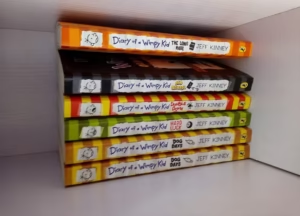
One of the best examples is Jeff Kinney’s Diary of a Wimpy Kid. The series blends simple drawings with short, funny chapters that feel more like reading a friend’s journal than a traditional novel. This format has helped millions of kids discover that reading can be fun, not frustrating. The books are also widely recommended by teachers and librarians because they appeal to both enthusiastic and hesitant readers.
But Wimpy Kid is just the beginning. Many other children’s books follow a similar formula: lighthearted storytelling, visual elements, and characters who feel real to young readers. These books help kids stay engaged, turn pages more easily, and develop a positive relationship with reading.
Whether it’s humor‑driven stories, graphic‑novel hybrids, or illustrated chapter books, the goal is the same to give children a reading experience that feels enjoyable rather than intimidating. When kids find books that match their interests and reading level, they’re far more likely to keep going, explore new genres, and eventually grow into confident, independent readers.
If you’re looking for more titles that work well for reluctant readers, the Wimpy Kid franchise is a great place to start. Its success has inspired a whole wave of fun, easy‑to‑read children’s books that help young readers discover the joy of storytelling
Why Greg Heffley’s Journey Resonates So Deeply
Beyond the jokes and the simple sketches, Diary of a Wimpy Kid offers a unique brand of “middle-school realism” that traditional children’s literature often misses. Greg Heffley is not a perfect hero; he is often selfish, occasionally lazy, and frequently embarrassed. For a reluctant reader, this is incredibly refreshing. It removes the pressure of having to identify with a “moral role model” and instead allows them to see their own insecurities reflected in a humorous light.
Valuable Lessons Hidden in the Humor
While the series is designed to be funny, it provides several subtle learning opportunities for developing minds:
- The Power of Self-Reflection: By using a journal format, the book teaches kids the value of writing down their thoughts. It shows how documenting daily life even the mundane or “wimpy” parts can help a person process their experiences and find humor in difficult situations.
- Navigating Social Dynamics: Middle school is a minefield of changing friendships and social hierarchies. Greg’s interactions with his best friend Rowley, his older brother Rodrick, and his classmates provide a safe space for readers to observe social consequences, the importance of loyalty, and the reality of peer pressure.
- Resilience Through Failure: Greg Heffley fails constantly. Whether it is a failed school election or a disastrous DIY project, things rarely go his way. However, the story always continues. This teaches children that making mistakes isn’t the end of the world; it’s just another entry in the “diary” of life.
Greg Heffley is the fictional protagonist and narrator of the Diary of a Wimpy Kid series, a socially awkward and hilariously relatable middle schooler who shares his life through a handwritten journal. By documenting his daily struggles, ambitions, and cringeworthy social mishaps alongside simple cartoons, he captures the authentic and often funny realities of growing up.
Bridging the Gap to Complex Literacy
From a developmental perspective, Wimpy Kid acts as a vital “bridge” book. The “hybrid” format half-text, half-comic reduces cognitive load. When a child sees a page with plenty of white space and funny illustrations, their brain doesn’t go into “work mode.” This allows them to build reading stamina without realizing it.
As kids follow Greg’s adventures, they are actually practicing advanced literacy skills like interpreting tone, understanding sarcasm, and following non-linear storytelling through the illustrations. Once a child finishes one of these books, the sense of accomplishment is a massive confidence booster. They no longer see themselves as “kids who can’t read,” but as “kids who just finished a 200-page book.”
This shift in identity is the most valuable gift a book can give. It opens the door for them to eventually explore more complex novels, graphic novels, and non-fiction, turning a “reluctant” reader into a lifelong one.
Source : Diary of a Wimpy Kid | Facebook | Wimpy Kid Official Website (WimpyKid.com) – Wimpy Kid Press Announcements – Abrams Books (Publisher Information) – Publicly available author interviews
Editorial Note: This article is intended for informational and educational purposes only. It provides analytical insights based on publicly available information and does not constitute financial or legal advice. Readers are encouraged to consult official sources and expert advisors for verified guidance.
Wimpy Kid and Beyond: Fun, Easy‑to‑Read Books for Children Who Need a Boost
Understanding Charter Schools: A New Model for Education in New Zealand | kura hourua