

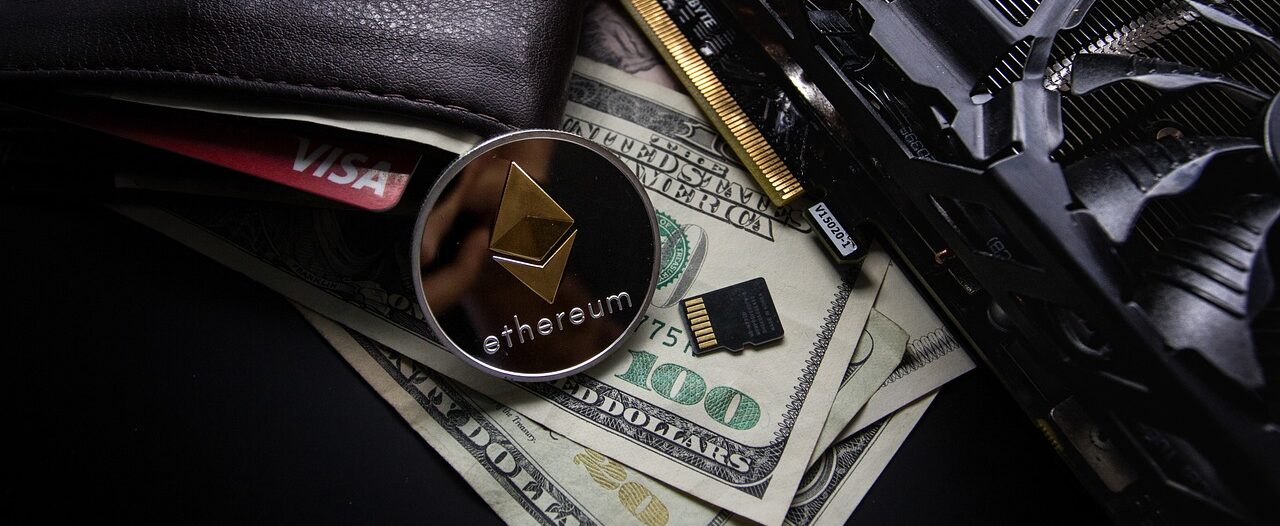
To convert your cryptocurrency into New Zealand Dollars (NZD), you can use platforms like Easy Crypto and Binance. Here’s a quick guide on how to do it:
Easy Crypto:
- Sign Up: Create an account on Easy Crypto’s platform.
- Verify Identity: Complete the necessary identity verification process.
- Deposit Cryptocurrency: Transfer your digital coins to your Easy Crypto wallet.
- Sell and Withdraw: Sell your cryptocurrency and withdraw the funds to your bank account.
Binance:
- Create an Account: Sign up on Binance and verify your identity.
- Deposit Funds: Transfer your cryptocurrency to your Binance wallet.
- Trade for NZD: Use the trading platform to sell your cryptocurrency for NZD.
- Withdraw Funds: Withdraw the NZD to your local bank account.
What Cryptocurrencies Can You Use?
There are several cryptocurrencies that are widely accepted in New Zealand. Here are a few popular ones:
- Bitcoin (BTC): The original cryptocurrency, known for its robust security and widespread acceptance.
- Ethereum (ETH): Famous for its smart contracts and blockchain applications.
- Litecoin (LTC): Known for faster transaction times and lower fees.
- Ripple (XRP): Often used for quick and low-cost international payments.
- Bitcoin Cash (BCH): An offshoot of Bitcoin, designed for faster and cheaper transactions.
Global Options: USA, UK, Australia, and Asia – Encash Your Cryptocurrency
If you are looking to encash cryptocurrency in other regions, the process is similar, but the preferred platforms and local regulations vary.
United States (USA)
In the US, the market is highly regulated, and most users prefer major domestic exchanges that link directly to the ACH (Automated Clearing House) network for bank transfers.
- Top Platforms: Coinbase, Kraken, Gemini, and Robinhood.
- How it works: After identity verification (KYC), you can sell your crypto for USD and withdraw directly to your linked bank account or via a debit card.
- Tax Note: The IRS treats cryptocurrency as property; every “cash-out” is a taxable event.
United Kingdom (UK)
The UK has strict Financial Conduct Authority (FCA) guidelines, making security a high priority for local exchanges.
- Top Platforms: Kraken, Coinbase, and Revolut.
- How it works: Users typically sell their assets for GBP. Withdrawals are often processed via Faster Payments, which can settle in your bank account within minutes.
Australia
Australia has a robust crypto scene with several “homegrown” exchanges that are registered with AUSTRAC.
- Top Platforms: CoinSpot, Swyftx, and Independent Reserve.
- How it works: You can trade your crypto for AUD. These platforms support local payment methods like PayID and Osko, allowing for near-instant withdrawals to Australian bank accounts.
Asia
Asia is a diverse market with different rules depending on the country.
- Singapore & Hong Kong: These are major hubs. Platforms like Crypto.com, Kraken, and HashKey are popular. You can withdraw to local currency (SGD or HKD) through regulated channels.
- South Korea & Japan: These regions use specific local exchanges like Upbit (Korea) or Bitflyer (Japan) that are tightly integrated with the local banking system.
- P2P Trading: In regions where direct bank integration is limited, Binance P2P is widely used across Southeast Asia to trade crypto directly with other individuals for local fiat currency.
What Cryptocurrencies Can You Use?
There are several cryptocurrencies that are widely accepted globally. Here are a few popular ones:
- Bitcoin (BTC): The original cryptocurrency, known for its robust security and widespread acceptance.
- Ethereum (ETH): Famous for its smart contracts and blockchain applications.
- Litecoin (LTC): Known for faster transaction times and lower fees.
- Ripple (XRP): Often used for quick and low-cost international payments.
- Bitcoin Cash (BCH): An offshoot of Bitcoin, designed for faster and cheaper transactions.
Editorial Note: This article is intended for informational and educational purposes only. It provides analytical insights based on publicly available information and does not constitute financial, legal, or political advice. Readers are encouraged to consult official sources and expert advisors for verified guidance.