

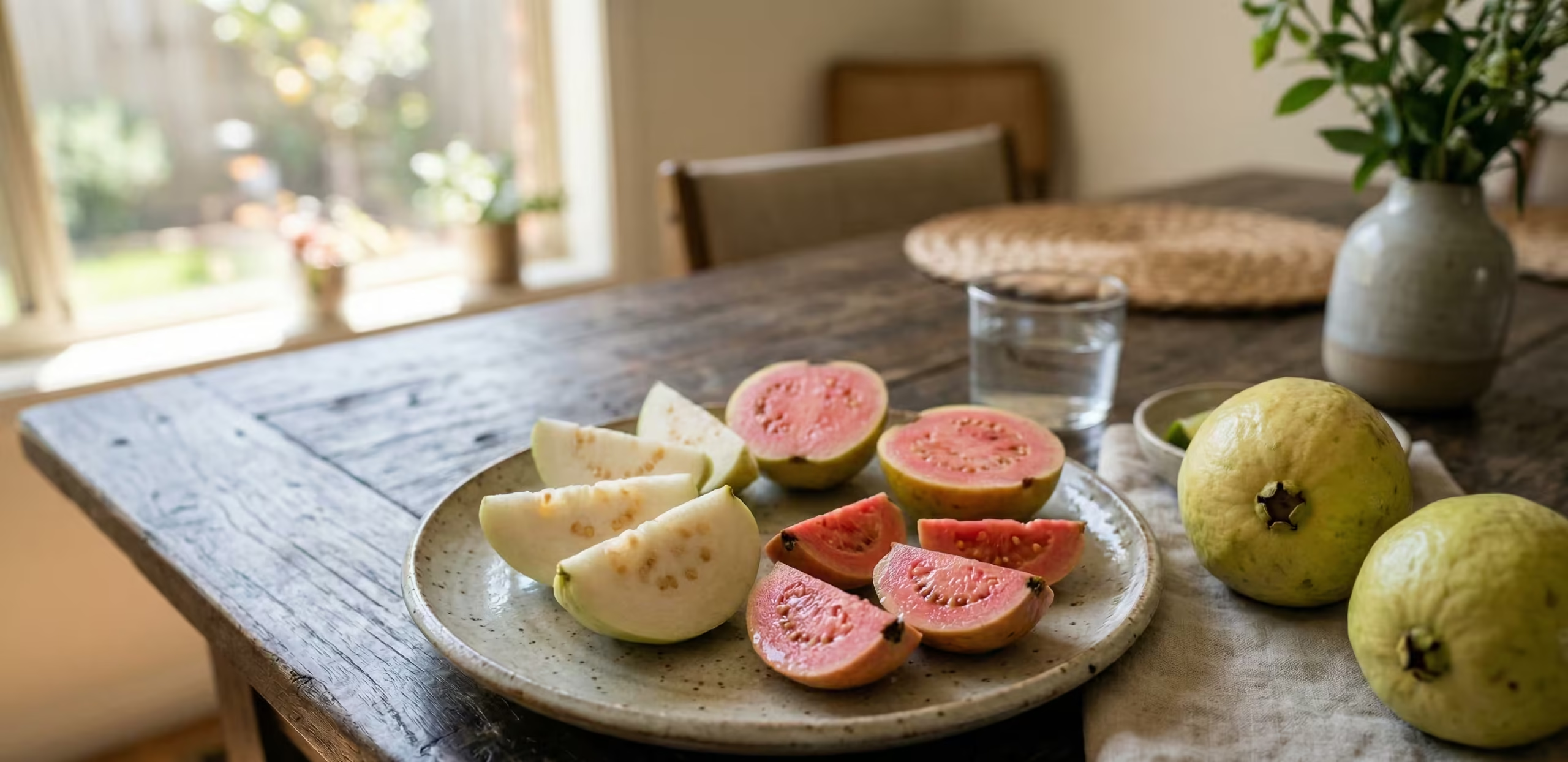
Do You Know? Discover the Delightful World of Guavas : Guava Gold: Discover the Tropical Treasure
Introduction
Did you know that guavas are often called the “apple of the tropics”? With their unique blend of sweetness and tartness, guavas are a beloved fruit in many parts of the world. Known for their versatility and numerous health benefits, guavas have a rich history and cultural significance. Learn and understand the fascinating world of guavas, exploring their origins, varieties, health benefits, and where to find them, along with some handy tips and fun facts. We’ll also cover some technical details about their cultivation.
Fruit Facts
Do You Know?
- Guavas belong to the myrtle family (Myrtaceae) and are scientifically known as Psidium guajava.
- Native to Central America, guavas have been cultivated for over 2,000 years.
- The guava tree is highly adaptable, thriving in both tropical and subtropical climates.
Health Benefits
- Rich in Nutrients: Guavas are packed with essential vitamins and minerals, including Vitamin C, Vitamin A, and potassium.
- Boosts Immunity: The high Vitamin C content in guavas helps strengthen the immune system and protect against infections.
- Supports Digestion: Guavas are an excellent source of dietary fiber, which aids digestion and prevents constipation.
- Antioxidant Powerhouse: Guavas are rich in antioxidants like lycopene, quercetin, and Vitamin C, which help fight free radicals and reduce the risk of chronic diseases.
- Promotes Heart Health: The potassium and fiber in guavas support heart health by regulating blood pressure and improving cholesterol levels.
- Aids Weight Loss: Guavas are low in calories and high in fiber, making them an ideal fruit for weight management.
Varieties of Guavas
Guavas come in a wide array of varieties, each with its unique flavor and characteristics. Here are some notable ones:
Tropical Varieties
- Common Guava (Apple Guava): The most widely grown variety, known for its sweet and aromatic flavor. The flesh can be white, pink, or red, and the seeds are typically hard.
- Strawberry Guava: Also known as Cattley guava, this variety has a sweet, strawberry-like flavor and small, round fruits with a red or yellow skin.
- Pineapple Guava (Feijoa): Native to South America, pineapple guava has a tangy, pineapple-like flavor. The fruit is small, with a green, slightly rough skin.
Regional Varieties
- Thai White Guava: Known for its crisp texture and mildly sweet flavor, this variety is popular in Southeast Asia. The flesh is white, and the fruit is often enjoyed with a sprinkle of salt or chili powder.
- Red Malaysian Guava: A striking variety with red flesh and sweet flavor. It is commonly grown in Malaysia and other parts of Southeast Asia.
- Lemon Guava: This variety has a distinct lemony flavor and aroma. The fruit is small and round, with a yellow skin.
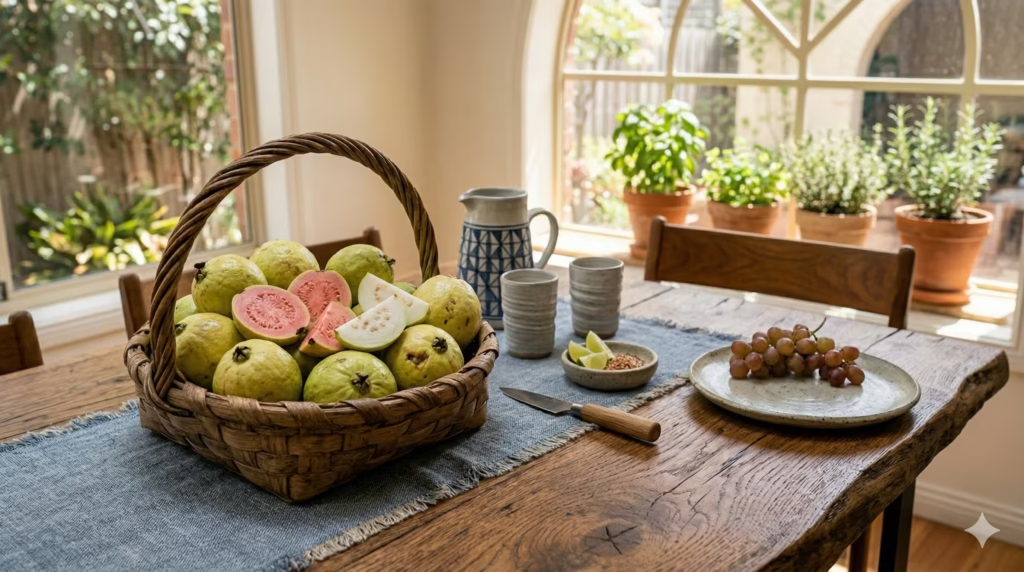
Technical Details: Cultivation of Guavas
Growing Conditions
- Climate: Guava trees thrive in tropical and subtropical climates. They prefer warm temperatures and can tolerate drought conditions, although they flourish with regular watering.
- Soil: Guavas grow best in well-drained soils with a pH range of 5 to 7.5. They are adaptable to various soil types, including sandy, loamy, and clay soils.
- Sunlight: Guava trees require full sun exposure to produce high-quality fruits. They should be planted in locations that receive at least 6 to 8 hours of direct sunlight daily.
Planting and Care
- Propagation: Guavas can be propagated through seeds, cuttings, or air layering. However, grafting is the most common method used to ensure the quality and consistency of the fruit.
- Watering: Young guava plants need regular watering to establish their root systems. Mature trees are more drought-tolerant but benefit from consistent moisture during the fruiting season.
- Fertilization: Regular feeding with balanced fertilizers supports healthy growth and fruit production. Organic compost or well-rotted manure can be applied to enrich the soil.
- Pruning: Pruning helps maintain the tree’s shape, removes dead or diseased branches, and encourages new growth. It is best done after the fruiting season.
Pest and Disease Management
- Pests: Common pests that affect guava trees include fruit flies, aphids, and scale insects. Using organic insecticides or introducing beneficial insects can help control pest populations.
- Diseases: Guava trees can be susceptible to diseases such as anthracnose, root rot, and wilt. Maintaining good sanitation practices, such as removing fallen fruits and leaves, and using fungicides when necessary, can help prevent diseases.
Global Guava Guide: Where to Find Fresh Guavas Year-Round
The global fruit market is seeing a fascinating shift in how tropical treasures like the guava are accessed. While many associate this “superfruit” with distant summer holidays, its peak seasons vary drastically across the globe. Understanding these patterns is key to finding that perfect, Vitamin C-rich bite at any time of the year.
New Zealand & Australia: The Southern Perspective
In the Southern Hemisphere, the local harvest follows a distinct seasonal cycle. In New Zealand, while the fresh local season traditionally peaks in the transition from late summer to autumn, the market has evolved to ensure availability remains high:
- Specialty Grocers: Asian and Indian supermarkets in hubs like Auckland and Wellington frequently stock high-quality imported white guavas when local trees are dormant.
- The Frozen Alternative: For those seeking nutritional benefits regardless of the month, frozen guava pulp—primarily from India and South America—is a staple in major supermarkets, perfect for smoothies and traditional desserts.
In Australia, while the massive harvests in Queensland follow specific seasonal windows, tropical micro-climates continue to provide a steady, albeit limited, supply of fresh fruit to boutique markets in Sydney and Melbourne throughout much of the year.
USA & UK: Northern Hemisphere Peaks
For readers in the Northern Hemisphere, the late summer months represent a “Golden Era” for the fruit.
- United States: This period marks the height of the season for Florida-grown varieties. Simultaneously, fresh Mexican Cream guavas consistently hit the shelves of specialty retailers and international markets like H-Mart across California and the East Coast.
- United Kingdom: The UK market is a master of the import model. Premium pink guavas from Egypt and Brazil are frequently found in high-end grocers like Waitrose or the vibrant, diverse street markets of East London, which specialize in exotic arrivals.
Asia: The Production Powerhouse
Across much of Asia, particularly India and Thailand, the guava is more than just a fruit; it is a cultural staple with massive production scales.
- India: Famous varieties like the Allahabad Safeda and Lucknow 49 are harvested in staggering quantities during the monsoon cycles. These are prized globally for their high sugar content and unique, creamy texture.
- Thailand: Advanced agricultural techniques mean large, crunchy Thai guavas are ubiquitous in street markets almost year-round, often served with signature plum powder seasoning.
Editorial Note: This article is intended for informational and educational purposes only. It provides analytical insights based on publicly available information and does not constitute financial, legal, or political advice. Readers are encouraged to consult official sources and expert advisors for verified guidance.
Soursop: A Closer Look at Its Anticancer Properties and Global Cultivation
Jackfruit: Discover the Giant of Fruits: The Fascinating World of Jackfruit