

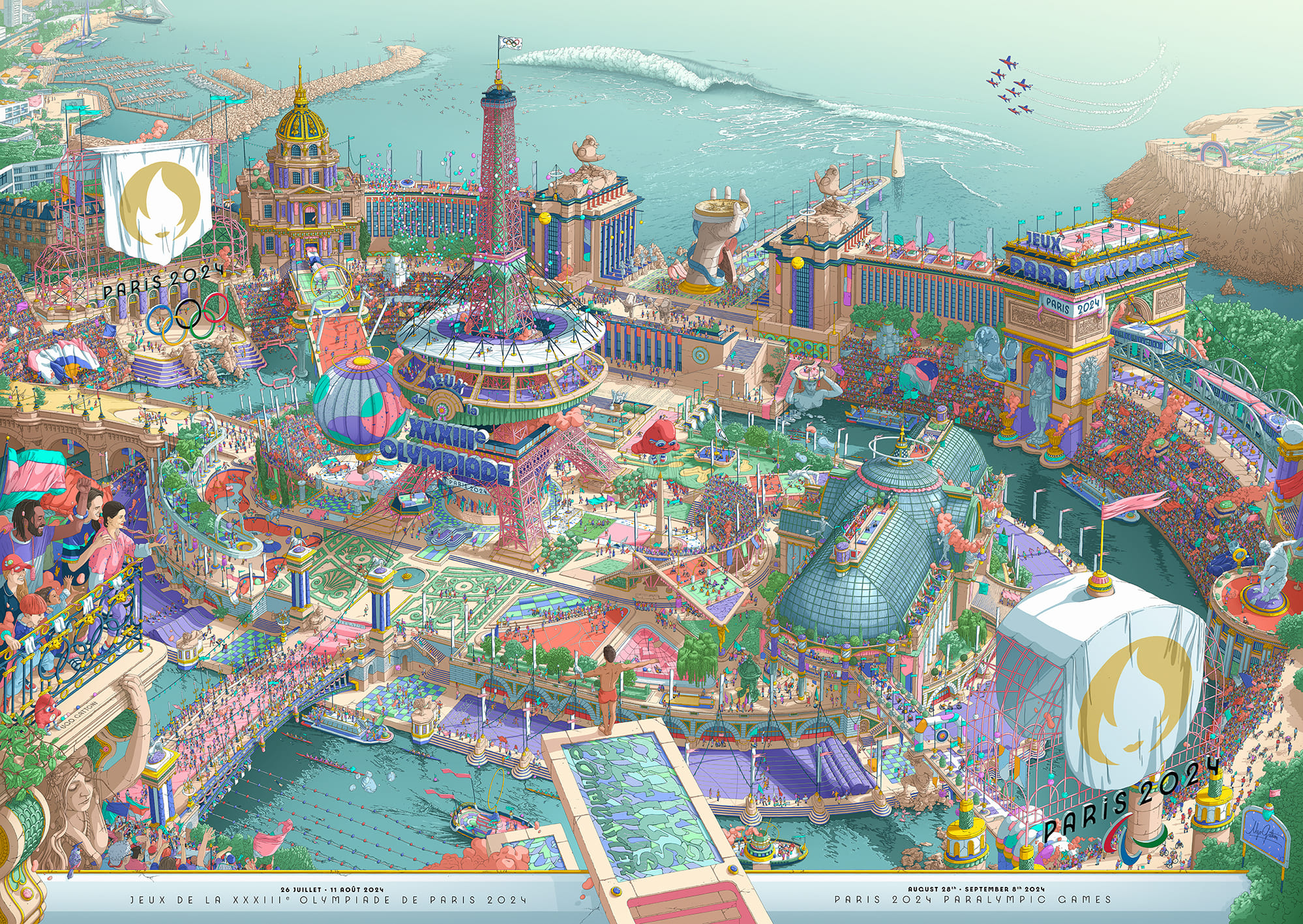
The athletes, who had earlier participated in the Opening Ceremony in the heart of Paris, gathered at the Stade de France for one final celebration with the public.
The grand finale featured a spectacular electronic music concert that had thousands of spectators on their feet, dancing and celebrating the spirit of the Games.
The Legacy of Paris 2024: A Blueprint for an Inclusive Future
The closing notes of Jean-Michel Jarre’s electronic symphony at the Stade de France didn’t just signal the end of a sporting event; they marked the conclusion of a cultural revolution. The Paris 2024 Paralympic Games were never intended to be a mere “sequel” to the Olympics.
Instead, they stood as a fierce, independent testament to human resilience, reclaiming the heart of one of the world’s most iconic cities and forcing a global audience to confront their own perceptions of ability and excellence.
A City Reimagined: From “Historic” to “Accessible”
Paris, often criticized for its historic inaccessibility, became an experimental lab for urban transformation. By placing the Opening Ceremony in the Place de la Concorde rather than tucked away in a suburban stadium, the organizers sent a clear message: disability is not something to be sidelined; it is central to the human experience.
Throughout the eleven days of competition, we saw the “City of Light” adapt. From the temporary ramps adorning centuries-old monuments to the increased frequency of accessible transport, the Games acted as a catalyst. French President Emmanuel Macron and IPC President Andrew Parsons both noted that the “Paralympic Effect” has already triggered a €1.5 billion investment in accessibility across France.
The challenge now remains for Paris to maintain this momentum, ensuring that the “spectacular” nature of the Games translates into a permanent, lived reality for its residents with disabilities.
Redefining the “Elite” Athlete
The performances witnessed during these Games shattered the outdated “inspirational” trope. We didn’t see people “overcoming” disabilities; we saw elite athletes mastering their crafts with a level of technical precision that rivals any able-bodied counterpart.
-
The Velocity of the Track: Records didn’t just tumble; they were decimated. With 80 world records broken during the Paralympics alone, the evolution of blade technology and wheelchair aerodynamics has pushed the limits of human speed.
-
The Precision of the Pool: In the La Défense Arena, swimmers like Jessica Long—who captured her 18th career gold—showcased technical adaptations that require a level of core strength and spatial awareness that is difficult for the average spectator to even comprehend.
-
The Strategy of the Court: Events like the Blind Football final, where France took gold in a magical night at the Eiffel Tower Stadium, reminded us that the Paralympics are a battle of tactical brilliance.
The “Los Angeles 2028” Handover: A Shift in Energy
As the Paralympic Flame was extinguished and the baton passed to Los Angeles, the atmosphere shifted. The handover, featuring a live performance of the U.S. National Anthem by Ali Stroker and a filmed segment from Venice Beach featuring Anderson .Paak, signaled a new era.
While Paris excelled in integrating the Games into a historic urban fabric, LA 2028 promises a fusion of entertainment, high-tech innovation, and the quintessential “California Dream.”
The stakes for Los Angeles are high. They inherit a movement at its zenith.
The 2028 Games will likely lean heavily into the intersection of pop culture and para-sports, seeking to engage a younger audience that views diversity as a default value.
The Economic and Social Ripple Effect
Beyond the medals, the economic impact of Paris 2024 is staggering. With over 2.5 million tickets sold, it proved there is a massive market for Paralympic sports. Sponsors are finally realizing that Paralympic athletes offer stories of authenticity that resonate deeply with modern consumers.
However, the true “spectacular finale” isn’t the light show; it is the shift in the collective psyche.
The Games have provided a mirror to society, asking: If we can build a world where the world’s best para-athletes can thrive for eleven days, why can’t we build a world where everyone can thrive every day?
As the dust settles, the responsibility moves to the spectators and policymakers. The “Paralympic Effect” requires:
-
Universal Design: Moving beyond “accessible” to “inclusive” design.
-
Media Representation: Maintaining visibility during the four-year cycle.
-
Grassroots Funding: Ensuring the next generation has the equipment needed to succeed.
Paris 2024 was a triumph of the spirit and a triumph of will. It proved that when a global community decides to prioritize inclusion, the result is breathtaking. The flame may be out in Paris, but the fire it has lit is just beginning to burn.
Editorial Note: This article is intended for informational and educational purposes only. It provides analytical insights based on publicly available information and does not constitute financial, legal, or political advice. Readers are encouraged to consult official sources and expert advisors for verified guidance.