

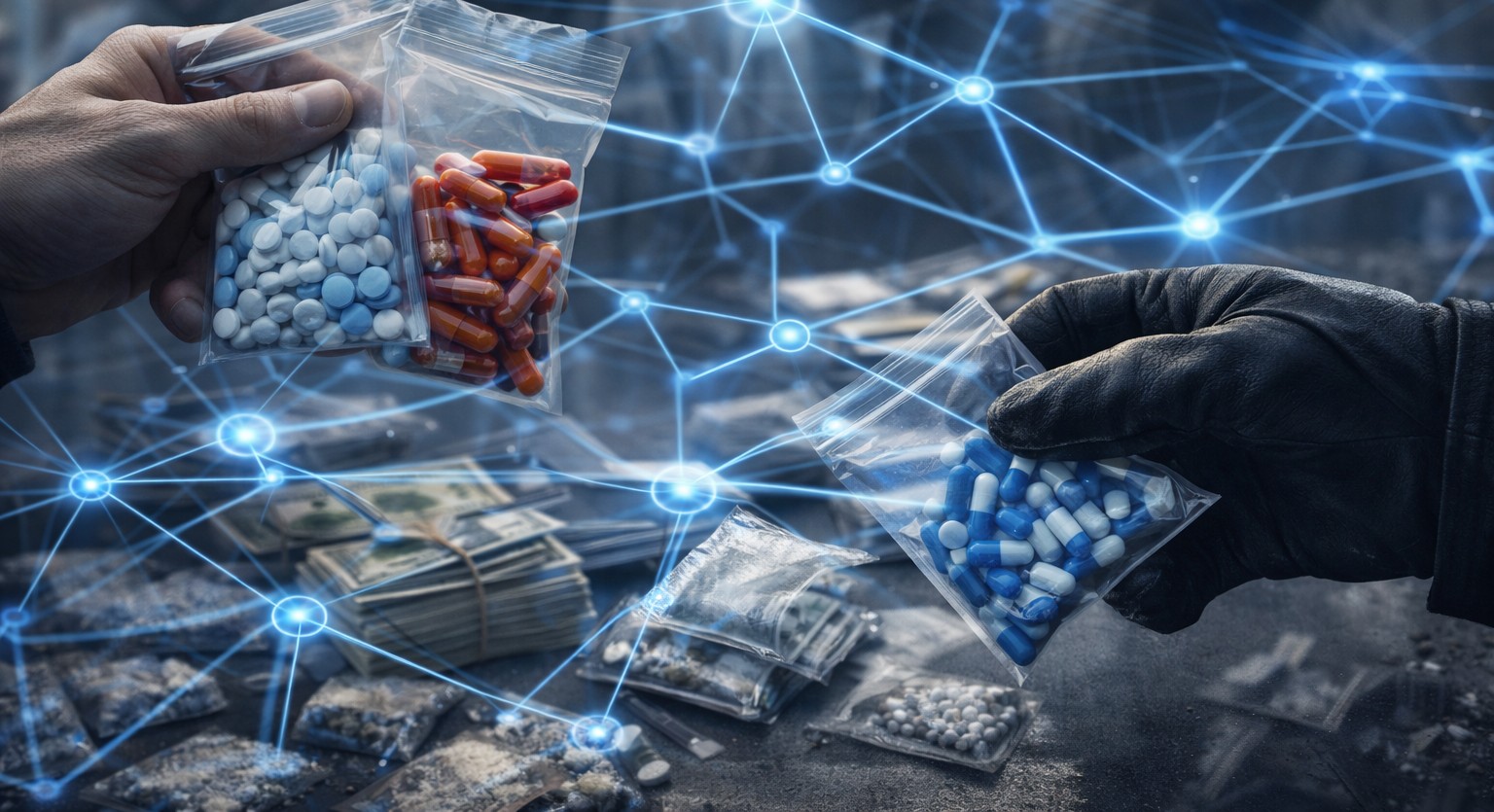
In early August 2025, member states of the Shanghai Cooperation Organization ( SCO ) carried out a sweeping joint operation targeting synthetic drug trafficking across borders.
Coordinated from Urumqi, China, the five-day crackdown led to the seizure of large quantities of illegal substances and chemical precursors, along with thousands of arrests.
Authorities focused on dismantling digital networks and intercepting smuggling routes, marking a significant step in regional cooperation against narcotics.
Understanding Synthetic Drug Networks: A Modern Global Challenge
While traditional narcotics rely on the cultivation of plants like poppies or coca, the modern landscape of illegal substances has shifted toward the laboratory.
The recent operation by the Shanghai Cooperation Organization (SCO) highlights a growing global focus on synthetic drug networks. To understand why these crackdowns are so vital for regional security, we must first understand what these networks are and how they operate differently from traditional smuggling groups.
What are Synthetic Drugs?
Synthetic drugs are chemically produced substances created in a laboratory. Unlike organic drugs, they do not require large fields of crops or specific climates. Common examples include methamphetamines and various potent synthetic opioids. Because they are made from man-made chemicals (known as precursor chemicals), they can be manufactured anywhere—from large industrial warehouses to small, hidden “kitchen labs” in urban centers.
How Synthetic Drug Networks Operate
Synthetic drug networks are far more agile and technologically advanced than the cartels of the past. Their operations are generally split into three distinct phases:
- The Sourcing of Precursors
The first step in the network is the acquisition of legal chemicals that have legitimate industrial uses, such as in the production of perfumes, plastics, or medicines. Criminal networks divert these chemicals from the legal supply chain. This is why the SCO operation focused heavily on seizing “chemical precursors”—without these ingredients, the labs cannot function.
- Decentralized Manufacturing
Because synthetic drugs are highly concentrated, a small lab can produce enough doses to supply an entire city. These networks often use a decentralized model, meaning they have many small labs spread across different borders rather than one central factory. This makes it much harder for law enforcement to shut down the entire operation at once.
- The Digital Marketplace
One of the most dangerous aspects of modern synthetic drug networks is their reliance on the digital public sphere. Most transactions and coordination now happen online.
- The Dark Web: Networks use encrypted platforms to sell products anonymously.
- Social Media: Low-level dealers often use common social apps to reach younger audiences, using coded language and emojis to bypass automated filters.
- Cryptocurrency: Payments are often made using digital currencies, making it incredibly difficult for authorities to track the “money trail.”
Why These Networks are a Global Threat
The danger of synthetic drug networks is not just the substances themselves, but the speed at which they evolve. When a specific chemical is banned, underground chemists often tweak the molecular structure slightly to create a “new” substance that is technically not yet illegal. This “cat-and-mouse” game requires international organizations like the SCO to share intelligence in real-time.
Furthermore, synthetic drugs are often much more potent than organic ones. A very small amount can lead to a fatal overdose, making the interception of smuggling routes a matter of immediate public health.
The Role of International Cooperation
The crackdown coordinated from Urumqi proves that no single nation can fight synthetic drug networks alone. Because the chemicals might be bought in one country, processed in a second, and sold in a third, the response must be unified.
Regional cooperation involves sharing satellite data, intercepting digital communications, and harmonizing laws so that traffickers cannot find a “safe haven” in a country with weaker regulations. By focusing on dismantling the digital infrastructure and the chemical supply chain, international forces are attacking the brain and the heart of these networks, rather than just the street-level symptoms.
Editorial Disclaimer: This article is provided for informational purposes only and does not constitute professional advice. We carefully research our topics to ensure the information presented is accurate and helpful for readers.