

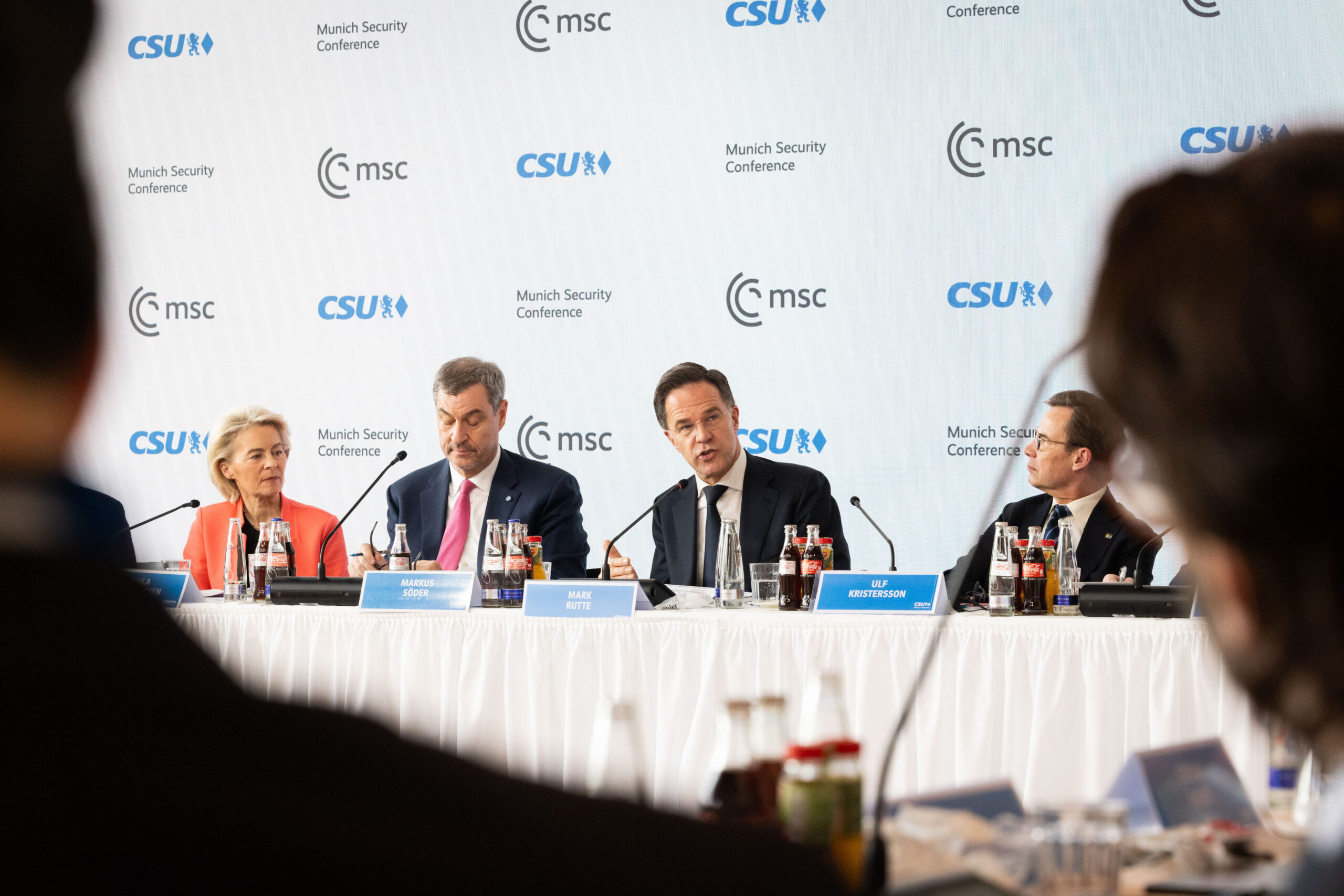
Over the weekend of February 13-14, 2026, NATO Secretary General Mark Rutte participated in the high-profile Munich Security Conference (MSC). Throughout the two-day event, Rutte’s agenda centered on two pivotal pillars: bolstering Europe’s leadership role within the Alliance and ensuring the longevity of support for Ukraine.
A Stronger, Europe-Led Alliance
Speaking to the media during the summit, the Secretary General expressed a high level of confidence in the current state of the Alliance, describing it as more robust today than at any time since the conclusion of the Cold War.
Rutte outlined a vision for a “more European-led” NATO, while simultaneously reassuring that the United States remains “absolutely anchored” in the organization. This dual focus aims to balance increased regional responsibility with the traditional Transatlantic bond.
Diplomatic Engagements and Global Partnerships
The conference served as a hub for intensive bilateral diplomacy. Secretary General Rutte held strategic discussions with a wide array of world leaders and officials, including:
- Ukraine & Europe: President Volodymyr Zelenskyy and Moldovan President Maia Sandu.
- United States: Secretary of State Marco Rubio and various Congressional delegations.
- Middle East & Industry: UAE Foreign Minister Lana Nusseibeh and several prominent industry leaders.
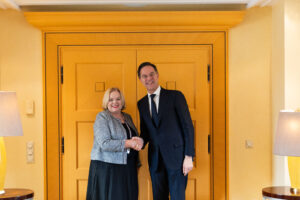
- Indo-Pacific Partners: Japanese Foreign Minister Toshimitsu Motegi and Defense Minister Shinjirō Koizumi, New Zealand’s Defense Minister Judith Collins, and Australian Deputy Prime Minister Richard Marles.
Securing the Future of Ukraine
A key highlight of Rutte’s itinerary was his participation in an official panel dedicated to securing long-term assistance for Ukraine. He took the opportunity to commend Allies for their recent military aid commitments, emphasizing that consistent support remains a top priority. Additionally, the Secretary General joined a Transatlantic Forum hosted by the Bavarian Minister President to further discuss collective security goals.
Source: NATO Official Website
Next – BRICS Nations Face Pressure to Accelerate Green Energy Shift
Editorial Note: This article is intended for informational and educational purposes only. It provides analytical insights based on publicly available information and does not constitute financial, legal, or political advice. Readers are encouraged to consult official sources and expert advisors for verified guidance.