

Introduction: Global Supply Chains After COVID and Conflicts
The resilience of global supply chains after COVID and conflicts has become one of the most critical economic questions of the 21st century. For decades, global production networks were optimized for efficiency and cost reduction. However, the pandemic exposed structural vulnerabilities, while geopolitical tensions further disrupted trade routes, energy markets, and manufacturing hubs.
What emerged was not the collapse of globalization, but a reassessment of its architecture. Governments, corporations, and multilateral institutions are now re-evaluating how goods move across borders, how dependencies are structured, and how resilience can be strengthened in an era of uncertainty.
Understanding global supply chains after COVID and conflicts requires examining logistics, trade policy, digital transformation, energy markets, and geopolitical competition within a rapidly evolving multipolar economy.
The Pre-Pandemic Supply Chain Model
Before 2020, supply chains were built around:
- Just-in-time inventory systems
- Single-source suppliers
- Cost minimization
- Globalized manufacturing hubs
Institutions such as the World Trade Organization facilitated liberalized trade frameworks that encouraged cross-border production networks.
Efficiency was prioritized over redundancy.
This model delivered lower prices but reduced shock absorption capacity.
The COVID-19 Shock
The pandemic triggered:
- Factory shutdowns
- Port congestion
- Labor shortages
- Transportation bottlenecks
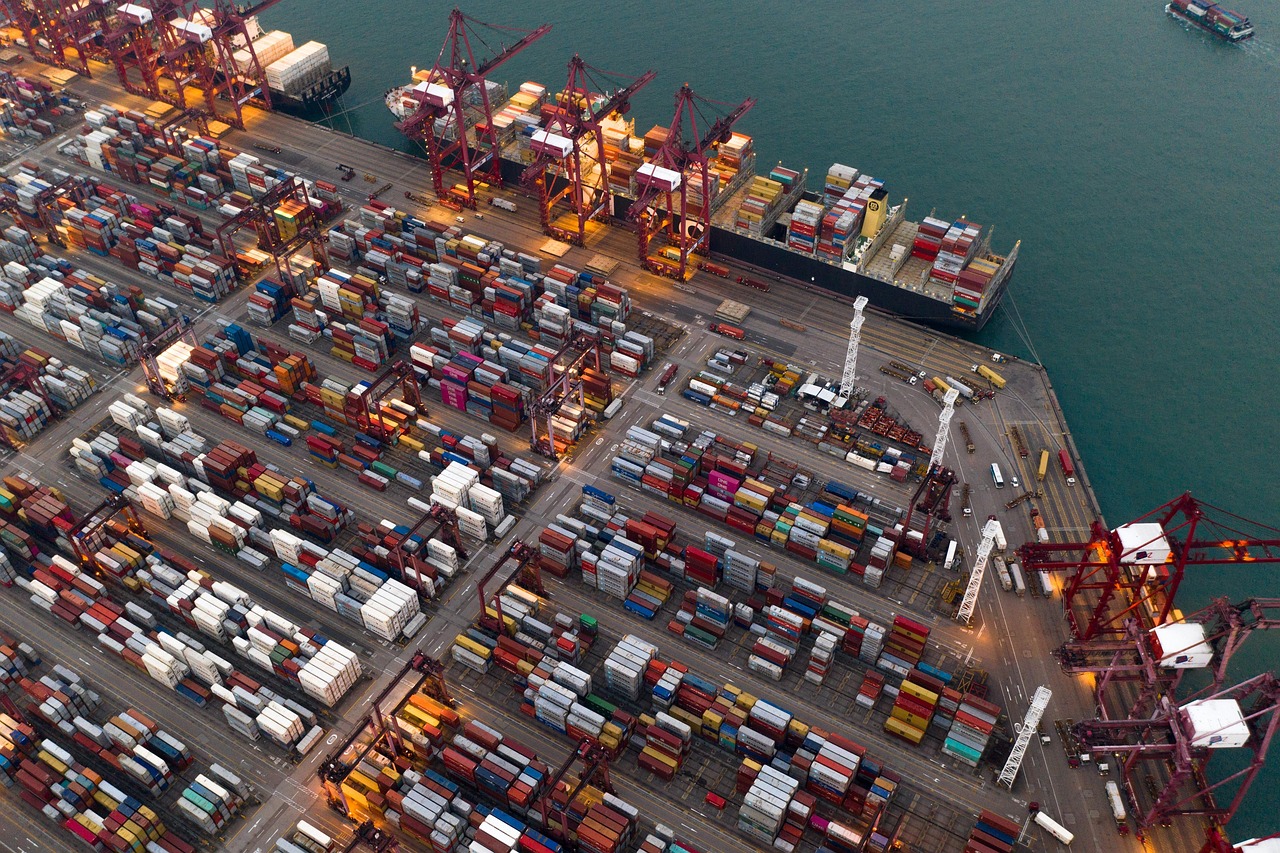
Shipping container imbalances and delays exposed how tightly synchronized global trade had become.
As discussed in our analysis of global inflation changing everyday life, supply disruptions translated directly into price volatility for essential goods.
The pandemic revealed that hyper-optimization left little room for systemic stress.
Geopolitical Conflicts and Trade Realignment
Following the pandemic, geopolitical tensions intensified structural adjustments.
Strategic rivalry between the United States and China, along with regional conflicts, reshaped sourcing decisions.
Export controls, trade restrictions, and economic sanctions reshaping world trade have further influenced global logistics.
Companies now evaluate not only cost but also:
- Political stability
- Regulatory risk
- Sanctions exposure
- Strategic alignment
Geopolitics has become embedded within supply chain decision-making.
Nearshoring, Friend-Shoring, and Diversification
In response to vulnerabilities, firms have adopted new strategies:
- Nearshoring production closer to consumer markets
- Friend-shoring toward politically aligned countries
- Diversifying supplier bases
Emerging economies such as India and Vietnam have seen increased manufacturing investment.
This transition reflects broader structural trends explored in our analysis of the future of international trade in a multipolar world.
Globalization is being reshaped rather than reversed.
Critical Sectors Under Pressure
Several industries experienced disproportionate disruption:
Semiconductors
Technology restrictions and chip shortages affected automotive and electronics sectors.
Energy Infrastructure
Sanctions and commodity volatility altered shipping routes and pricing benchmarks.
Pharmaceuticals
Medical supply chains exposed dependency risks during crisis periods.
Rare Earth Minerals
Competition for strategic resources intensified diversification efforts.
These sectors now receive heightened policy attention.
Digital Transformation of Supply Chains
Technology is playing a central role in strengthening resilience.
Digital tools include:
- AI-driven logistics forecasting
- Blockchain tracking systems
- Real-time inventory analytics
- Automated warehousing
As discussed in digital currency and the future of global banking, financial and trade infrastructure are increasingly integrated with digital systems.
Supply chain management is evolving toward predictive rather than reactive models.
Energy Markets and Transportation Costs
Energy volatility significantly affects supply chain stability.
Oil price fluctuations influence:
- Shipping rates
- Manufacturing input costs
- Consumer pricing
Sanctions targeting energy exporters have rerouted global shipping flows, sometimes increasing transportation distances and insurance costs.
Energy security has therefore become a core supply chain concern.
The Role of Multilateral Institutions
Institutions such as the International Monetary Fund and the World Bank analyze macroeconomic impacts of trade fragmentation.
While multilateral coordination remains important, multipolar economic blocs such as BRICS increasingly shape regional development financing and infrastructure partnerships.
Supply chains now operate within layered governance systems.
Inflation, Trade, and Supply Chain Feedback Loops
Global supply chains after COVID and conflicts cannot be separated from inflation and trade policy.
Disruptions contribute to:
- Higher consumer prices
- Production delays
- Reduced purchasing power
Conversely, tighter monetary policy affects business investment in supply diversification.
The interconnection between supply chain resilience and macroeconomic stability remains complex and ongoing.
Long-Term Structural Shifts
Several long-term trends are emerging:
1.Resilience over pure efficiency
2.Strategic stockpiling of critical materials
3.Greater regional trade integration
4.Increased automation
5.Expanded digital transparency
These shifts reflect systemic adaptation rather than short-term reaction.
Risks of Fragmentation
While diversification enhances resilience, excessive fragmentation may:
- Increase costs
- Reduce economies of scale
- Slow innovation
- Complicate regulatory coordination
Policymakers face the challenge of balancing national security with global economic integration.
Future Outlook: Structured Interdependence
The future of global supply chains after COVID and conflicts will likely involve structured interdependence.
Rather than fully decoupled systems, the global economy may develop:
- Redundant production hubs
- Regional trade corridors
- Digital coordination platforms
- Strategic risk management frameworks
Global commerce remains interconnected, but increasingly conscious of geopolitical risk.
Frequently Asked Questions
Why were supply chains disrupted during COVID?
Factory shutdowns, transportation bottlenecks, and labor shortages interrupted synchronized global production networks.
Are companies moving away from globalization?
Companies are diversifying and regionalizing operations, but globalization is being restructured rather than abandoned.
How do conflicts affect supply chains?
Conflicts can restrict trade routes, alter commodity flows, increase insurance costs, and create regulatory uncertainty.
Resilience in an Era of Uncertainty
Global supply chains after COVID and conflicts reflect a structural recalibration of the global economy. Efficiency remains important, but resilience, diversification, and geopolitical awareness now shape corporate and policy decisions.
Rather than signaling the end of globalization, these adjustments suggest an evolution toward more distributed and strategically aware production networks. In a multipolar world, adaptability may become the defining feature of global commerce.
Editorial Note: This article is intended for informational and educational purposes only. It provides analytical insights based on publicly available information and does not constitute financial, legal, or political advice. Readers are encouraged to consult official sources and expert advisors for verified guidance.