

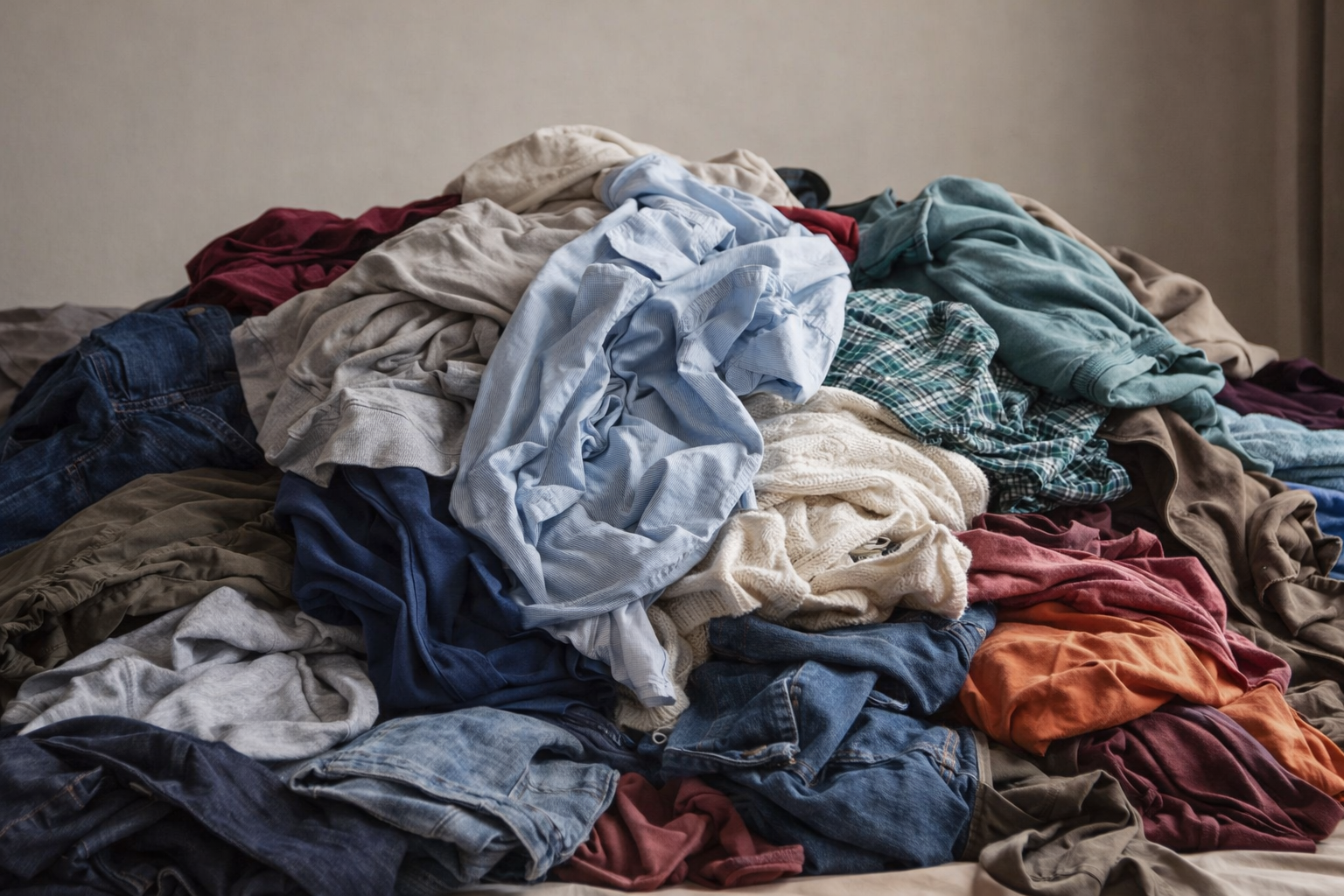
The European Commission has introduced new rules to stop companies from destroying unsold clothing, accessories, and footwear. The move, adopted on February 9 under the Ecodesign for Sustainable Products Regulation (ESPR), aims to cut textile waste and push the fashion industry toward more sustainable practices.
Across Europe, 4–9% of new textiles are destroyed each year, generating around 5.6 million tonnes of CO₂. The new rules require companies to report how many unsold products they discard and ban the destruction of most unsold fashion items.
Two supporting acts clarify how the rules will work. Limited exceptions will be allowed for safety or severe damage, and a standard reporting format will be introduced in 2027. Instead of discarding stock, businesses are encouraged to focus on resale, refurbishment, donation, or reuse.
Large companies must comply with the destruction ban from 19 July 2026, while medium‑sized firms will follow in 2030. Disclosure rules already apply to large companies and will extend to medium‑sized businesses in the same year.
EU officials say the measures will help the textile sector shift toward circularity, reduce waste, and strengthen competitiveness. With millions of euros’ worth of unsold goods destroyed annually in countries like France and Germany, the Commission sees this as a crucial step in reducing the environmental footprint of the fashion industry.
The ESPR is part of a broader EU effort to ensure products are more durable, repairable, and recyclable — and to keep valuable materials in use rather than in landfills.