

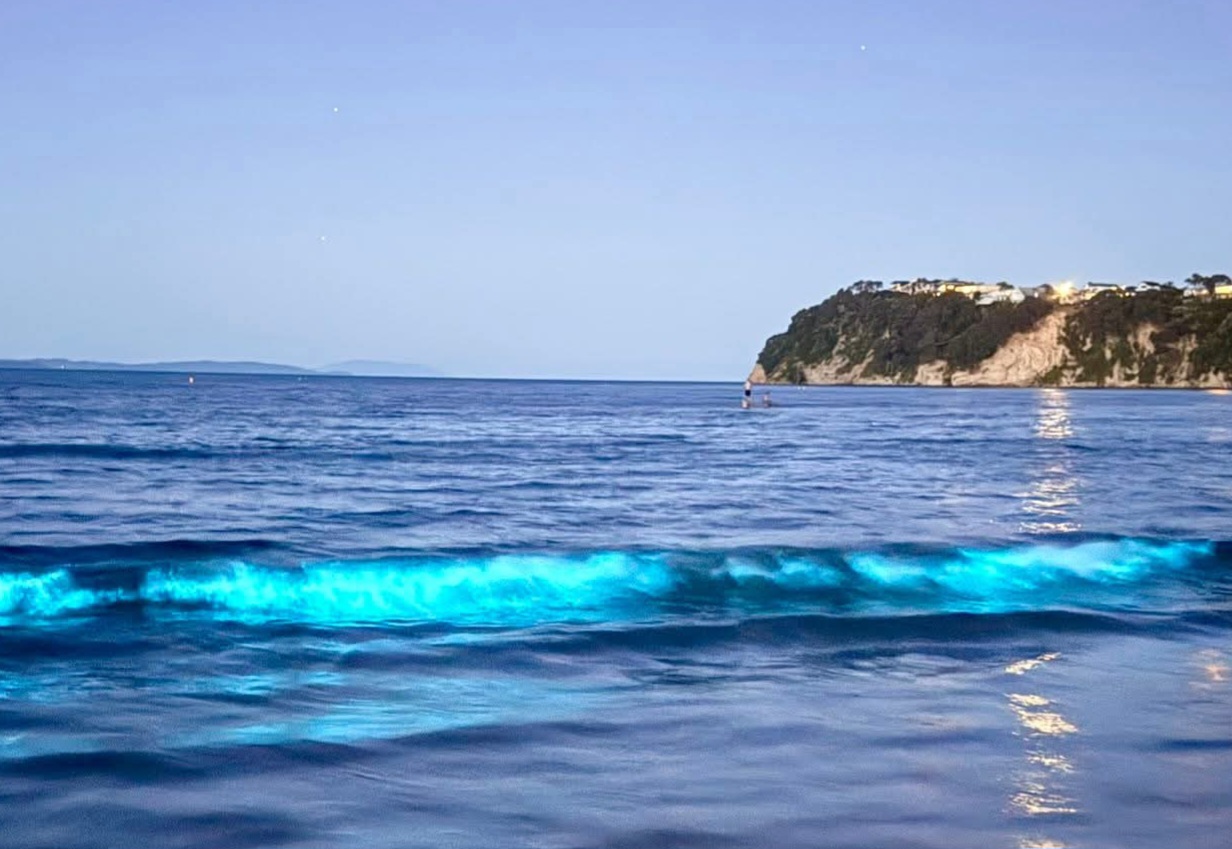
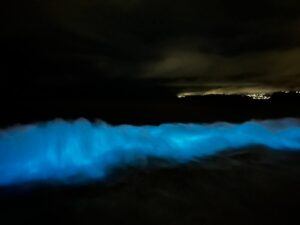
On the nights of November 7th and 8th, 2025, Auckland’s coastline became the site of a rare and captivating natural phenomenon as bioluminescent tides transformed the local surf into a radiant display of neon blue. This event, caused by a concentrated bloom of light-emitting phytoplankton, drew significant public interest, with hundreds gathering along the shore to witness the chemical reaction triggered by the breaking waves.
From Stanmore Bay to Red Beach, Cooper Reserve, Whale Cove and the Hibiscus Coast, locals and visitors alike rushed to witness the rare spectacle of bioluminescence a natural light show created by microscopic marine organisms called dinoflagellates.
These tiny algae-like creatures emit light when disturbed, turning every splash and ripple into a glowing trail. The result? A shoreline that looked like it had been sprinkled with stardust.
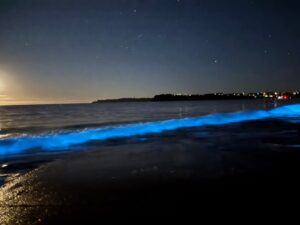
Glimpses of the Glow
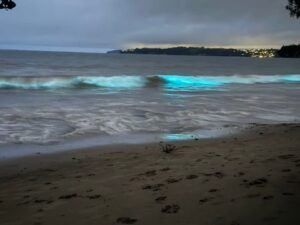
Photos shared online captured glowing footprints in the sand, neon-blue waves crashing ashore. It was nature’s version of fireworks silent, soft, and unforgettable.
Why It Happened
Warm spring temperatures, calm seas, and recent rainfall created the perfect conditions for plankton blooms. When these blooms reach the shore, they light up in response to movement waves, footsteps, or even a gentle breeze.
A Moment to Remember
For many, it was their first time seeing the ocean glow. Children danced in the surf, photographers scrambled for the perfect shot, and strangers bonded over the shared wonder of it all.
Source: According to local reports and social media posts | Facebook
Editorial Note: This article is intended for informational and educational purposes only. It provides analytical insights based on publicly available information and does not constitute financial, legal, or political advice. Readers are encouraged to consult official sources and expert advisors for verified guidance.