

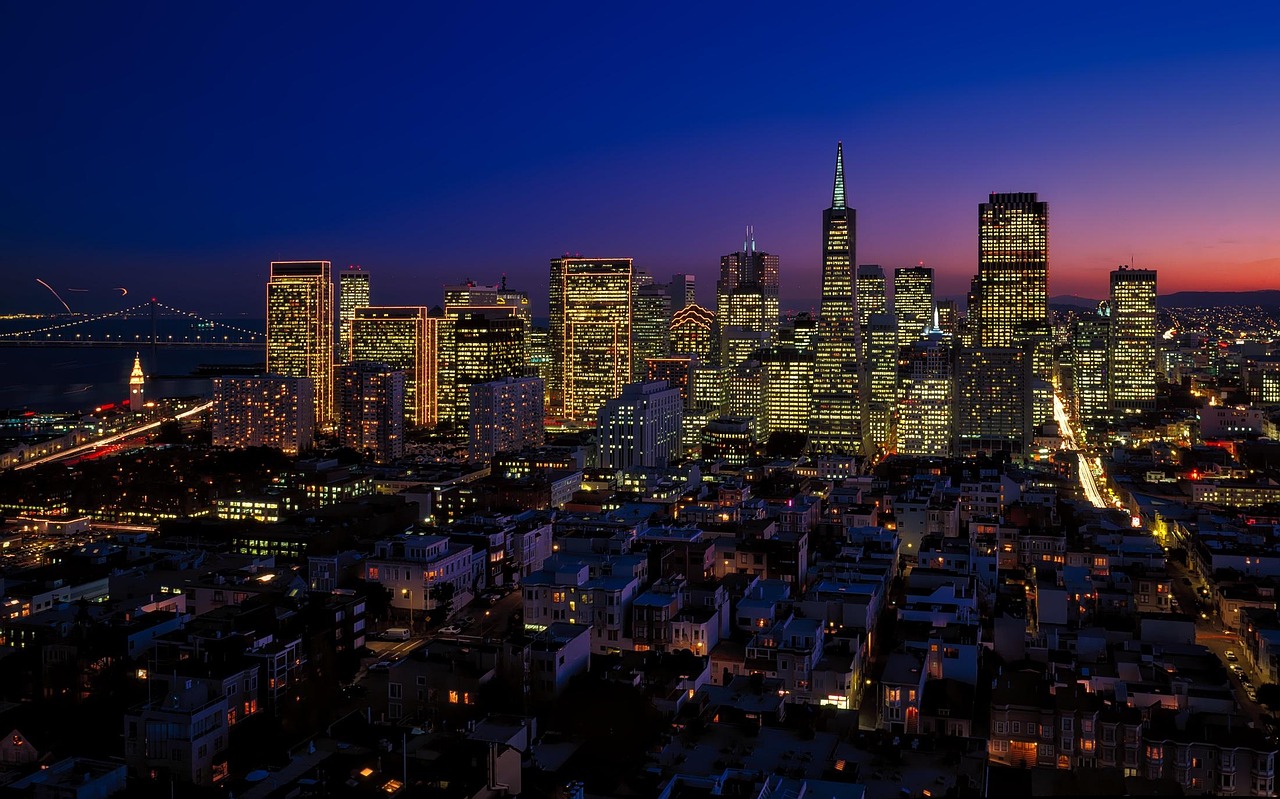
Introduction: Sustainable Cities and the Future of Urban Living
The transformation toward sustainable cities and the future of urban living is accelerating across Australia, New Zealand, the United States, Europe, and Asia. As urban populations expand and climate pressures intensify, cities are becoming the central arena for environmental policy, technological innovation, infrastructure modernization, and economic resilience.
More than half of the world’s population now lives in urban areas, and that percentage continues to rise. Cities generate the majority of global GDP while also accounting for a substantial share of energy consumption and carbon emissions. The future of sustainability therefore depends largely on how urban systems evolve.
Sustainable cities integrate environmental efficiency, digital infrastructure, resilient design, economic opportunity, and social inclusion. The question is not whether cities will change but how quickly and how equitably that transformation occurs.
Why Urban Sustainability Matters
Cities concentrate:
- Economic production
- Transportation networks
- Energy demand
- Housing infrastructure
- Water and waste systems
Urban areas are also highly vulnerable to:
- Heatwaves
- Flooding
- Sea-level rise
- Air pollution
Organizations such as the United Nations emphasize sustainable urban development as central to global climate goals.
Urban sustainability now intersects with economic growth and national resilience.
Australia: Climate-Resilient Urban Design
Major Australian cities such as Sydney and Melbourne face rising temperatures, bushfire risk, and coastal exposure.
Urban strategies increasingly focus on:
- Green building standards
- Solar rooftop integration
- Urban tree canopy expansion
- Water-sensitive urban design
Australia’s planning models emphasize adaptation to climate volatility alongside renewable energy expansion.
Infrastructure resilience remains central due to geographic exposure.
New Zealand: Compact Growth and Environmental Protection
Auckland and Wellington pursue sustainable planning that integrates:
- Compact city development
- Public transport investment
- Coastal resilience planning
- Indigenous land stewardship frameworks
New Zealand’s approach often integrates environmental preservation with urban density strategies to reduce transportation emissions and protect biodiversity.
Balancing growth with ecological integrity is a defining challenge.
United States: Innovation and Infrastructure Modernization
Major U.S. cities such as New York City, Los Angeles, and Austin are investing in:
- Electric vehicle infrastructure
- Smart grid modernization
- Urban heat mitigation programs
- Flood resilience systems
Federal and state-level infrastructure funding supports energy efficiency and public transit upgrades.
However, regional disparities create uneven sustainability progress.
Urban inequality remains intertwined with climate exposure.
Europe: Integrated Urban Sustainability Models
European cities such as Copenhagen, Amsterdam, and Paris are often cited for:
- Bicycle-first transport systems
- District heating networks
- Circular economy initiatives
- Carbon-neutral targets
The European Union supports urban sustainability through regulatory standards and funding programs.
Integrated planning across transport, housing, and energy systems characterizes European models.
Asia: Rapid Urbanization and Smart City Expansion
Asia hosts some of the world’s fastest-growing urban populations.
Cities such as Singapore, Tokyo, Shanghai, and Seoul are implementing:
- Smart traffic management systems
- High-density public transit
- Green high-rise buildings
- Digital governance platforms
Asia’s urban transformation combines technology integration with high-density planning.
Rapid growth creates infrastructure stress but also innovation opportunities.
Energy Efficiency and Urban Infrastructure
As explored in the global energy transition from fossil fuels to renewables, cities are central to energy system transformation.
Urban sustainability includes:
- Solar and wind integration
- Energy-efficient building codes
- Electrified public transport
- Battery storage networks
Urban electrification reduces emissions but increases grid management complexity.
Digital monitoring systems enhance efficiency.
Water, Waste, and Circular Systems
Water management remains critical in urban sustainability.
Cities must address:
- Stormwater management
- Wastewater recycling
- Solid waste reduction
- Circular economy systems
As discussed in water security and global challenges, sustainable urban water governance reduces long-term vulnerability.
Waste reduction initiatives reduce landfill dependency and methane emissions.
Digital Infrastructure and Smart Cities
Digital systems enable:
- Real-time traffic optimization
- Energy consumption monitoring
- Public safety management
- Citizen engagement platforms
Artificial intelligence applications enhance urban planning.
As explored in artificial intelligence changing global employment, smart city technologies also create new labor demands.
However, cybersecurity risks must be managed carefully.
Social Equity and Housing Affordability
Sustainability must include:
- Affordable housing access
- Equitable public transit
- Climate adaptation for vulnerable communities
- Inclusive urban design
Without equity considerations, green development may widen inequality.
Policy coherence is necessary to ensure inclusive growth.
Economic Competitiveness and Urban Innovation
Sustainable cities attract:
- Green investment
- Technology startups
- Skilled labor
- International capital
Urban sustainability increasingly correlates with long-term economic competitiveness.
Cities that adapt effectively may lead future innovation cycles.
Future Outlook: Resilient Urban Systems
Sustainable cities and the future of urban living will likely involve:
- Integrated transport networks
- Climate-adaptive infrastructure
- Digital governance models
- Renewable-powered urban grids
- Compact mixed-use development
Regional differences will persist, but global learning exchange is increasing.
Urban systems are becoming laboratories for sustainable economic transformation.
Frequently Asked Questions
What makes a city sustainable?
A sustainable city integrates environmental efficiency, resilient infrastructure, economic opportunity, and social equity while minimizing long-term ecological impact.
Are sustainable cities more expensive to build?
Initial investment may be higher, but long-term operational savings and resilience benefits often offset costs.
Which regions lead in sustainable urban planning?
Europe, parts of Asia, Australia, and select North American cities have implemented advanced sustainability initiatives, though approaches vary by region.
Cities at the Center of the Climate Era
Sustainable cities and the future of urban living define the intersection of climate policy, economic growth, technology integration, and social equity. Urban areas concentrate both risk and opportunity. As governments across Australia, New Zealand, the United States, Europe, and Asia pursue adaptation and mitigation strategies, cities are emerging as engines of structural transformation.
The future of sustainability is fundamentally urban. How cities evolve will determine not only environmental outcomes, but economic resilience and social stability in a climate-constrained world.
Building a Sustainable Asia‑Pacific: APEC’s Return to Korea Marks a Turning Point
Living Expenses in Major Cities: An In-Depth Comparison of New York, London, Melbourne, and Auckland
The Global Energy Transition: From Fossil Fuels to Renewables
Editorial Note: This article is intended for informational and educational purposes only. It provides analytical insights based on publicly available information and does not constitute financial, legal, or political advice. Readers are encouraged to consult official sources and expert advisors for verified guidance.