

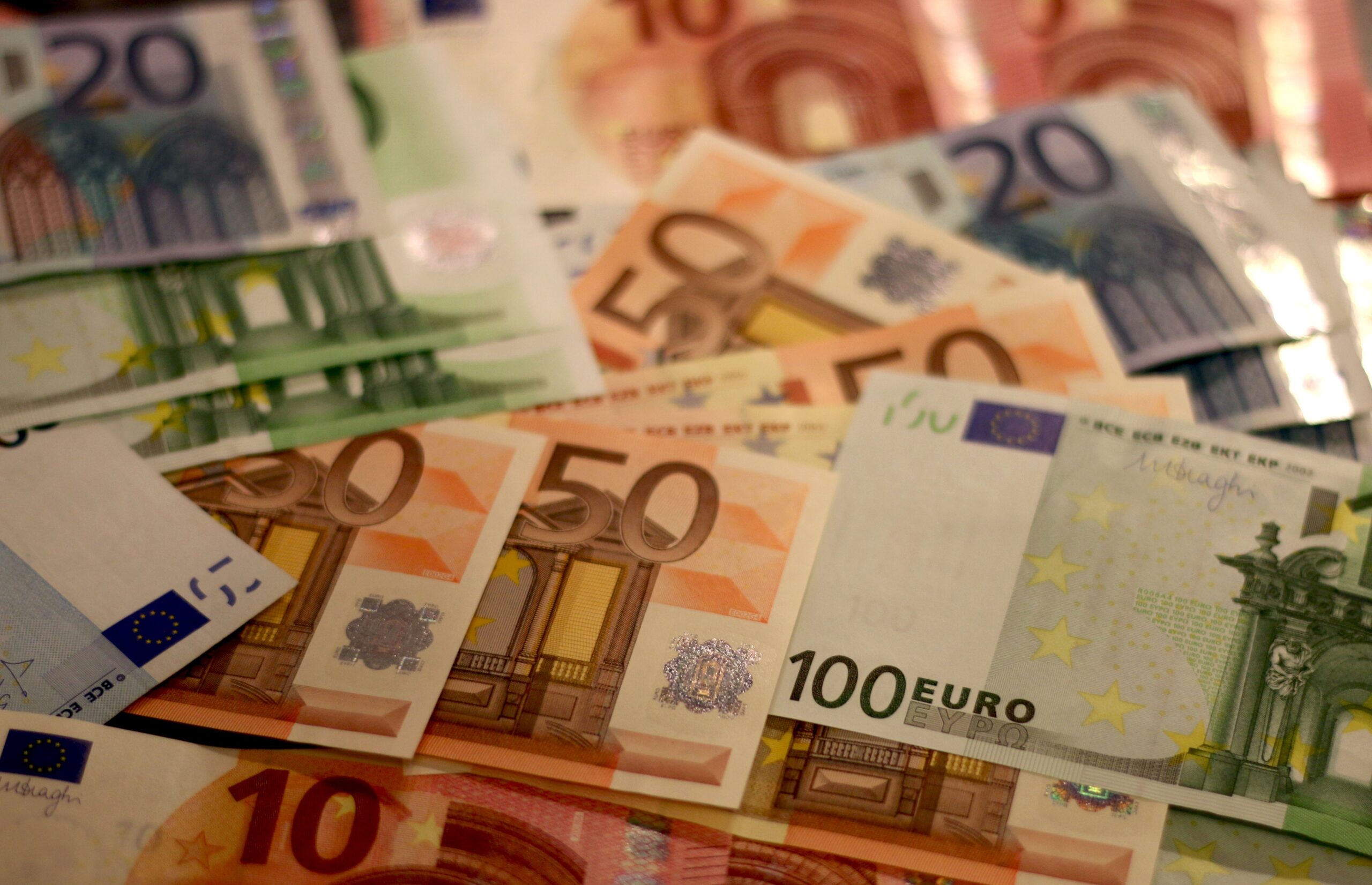
Germany has announced a new contribution of EUR 500,000 to the World Trade Organization’s Global Trust Fund, strengthening efforts to help developing economies and least developed countries build the skills needed to participate more effectively in global trade.
The agreement was formalized in Geneva, where Germany’s Ambassador to the WTO, Carmen Heidecke, signed the memorandum confirming the funding. The contribution will support WTO training programmes designed to help government officials better understand trade rules, implement their obligations, and engage more confidently in multilateral negotiations.
WTO Director‑General Ngozi Okonjo‑Iweala welcomed the announcement, noting that Germany has been one of the organization’s most consistent supporters of technical assistance. She said the new funding will help developing members expand their trade expertise and advance their economic priorities.
Germany highlighted that empowering developing countries to participate fully in global trade is essential for a fair and inclusive trading system. Over the past 25 years, Germany has provided more than CHF 27 million to the Global Trust Fund, underscoring its long‑term commitment to equitable international trade.
Source : WTO
Economic Sanctions Reshaping World Trade
The growing use of economic sanctions reshaping world trade has become one of the most consequential developments in modern international relations. Once considered a targeted diplomatic tool, sanctions have increasingly influenced global supply chains, energy markets, financial systems, and geopolitical alignments. In an interconnected economy, restrictions placed on one country often ripple across continents, altering trade flows and economic partnerships far beyond their original intent. While sanctions are designed to exert pressure without direct military engagement, their cumulative impact has reshaped global commerce patterns. From technology export controls to energy embargoes and financial system exclusions, sanctions now operate as instruments of strategic competition. Understanding how economic sanctions are reshaping world trade requires examining legal frameworks, geopolitical strategy, financial infrastructure, and the evolution of multipolar economic blocs.
What Are Economic Sanctions? Economic sanctions are policy tools used by governments or multilateral organizations to influence behavior by restricting economic interaction.
Sanctions may include:
- Trade embargoes
- Asset freezes
- Financial transaction restrictions
- Export controls
- Investment bans
Organizations such as the United Nations can impose multilateral sanctions through Security Council resolutions. Read More
Editorial Note: This article is intended for informational and educational purposes only. It provides analytical insights based on publicly available information and does not constitute financial, legal, or political advice. Readers are encouraged to consult official sources and expert advisors for verified guidance.
Are You Aware of Hidden Scholarships and Funding for International Students in Europe ?
Bahrain Donates USD 200,000 to Global Fund Supporting Women in Digital Trade
Editorial Note: This article is intended for informational and educational purposes only. It provides analytical insights based on publicly available information and does not constitute financial, legal, or political advice. Readers are encouraged to consult official sources and expert advisors for verified guidance.